
Running in Malaysian heat: recovery that accounts for humidity
Heat and humidity raise the cost of a run at any given pace and increase fluid loss substantially, so recovery in Malaysia has to prioritise rehydration and realistic pacing more than cool-climate advice suggests. Running earlier, slowing down in the heat, and rehydrating steadily afterwards do most of the work.
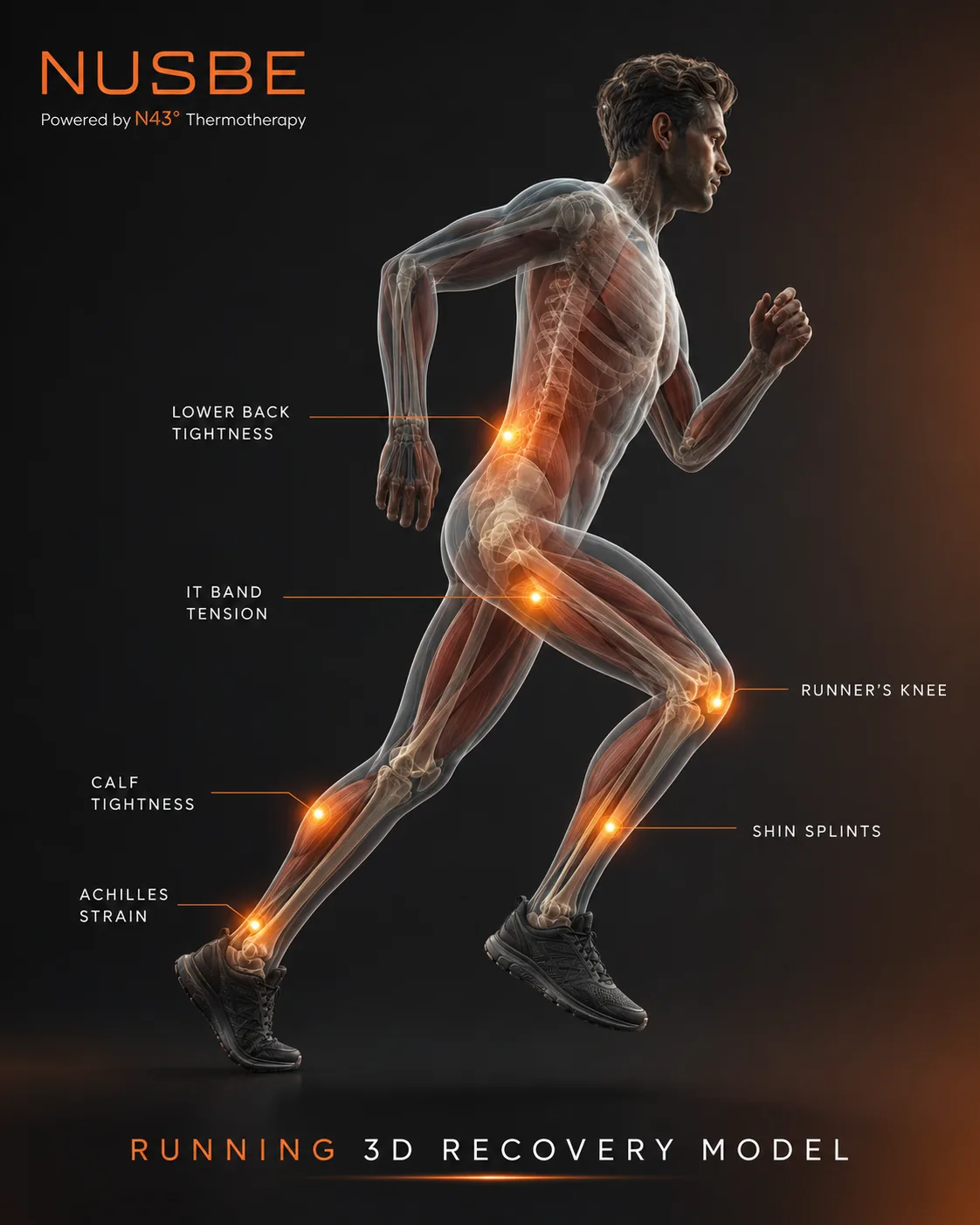
Most running advice is not written for here
Training plans, recovery articles and pacing charts are overwhelmingly written in cool climates. Runners in Kuala Lumpur, Johor and Penang follow them and then wonder why the paces feel wrong and why recovery takes longer.
The gap is not fitness. It is that heat and humidity change two things:
1. The cost of a given pace goes up, because your body is also working to cool itself. 2. Fluid loss goes up substantially, and humid air makes sweat evaporate less efficiently, so cooling is less effective at the same sweat rate.
Practical adjustments
- Run earlier. Early morning is meaningfully cooler and less humid than evening in most of the country. - Run by effort, not pace. Holding a cool-weather pace in Malaysian midday conditions is how easy runs turn into hard ones without you noticing. - Carry fluid on anything long. A long run here is not comparable to the same distance in a temperate climate. - Weigh yourself before and after a long run once. The difference gives you a personal fluid-loss figure that is more useful than any general rule.
Recovery afterwards
| When | Priority |
|---|---|
| First 15 minutes | Get out of the heat; start rehydrating steadily |
| First hour | Eat; warmth on stiff quads and calves if no swelling |
| That evening | Continue rehydrating; protect sleep |
| Next day | Easy movement rather than complete rest |
Rehydration is the part local runners most often under-do, and it is the part that most affects how the next day feels.
The line that is medical, not recovery
Stop running and seek medical attention if you feel dizzy or confused, stop sweating, develop a headache with nausea, or feel unwell rather than simply tired.
Heat illness is a medical emergency. It is not something to manage with a recovery routine, and it is worth knowing the signs before you need them.
Where NUSBE fits
A guided NUSBE session applies controlled, comfortable warmth to the quads, calves and lower back at a consistent temperature and coverage — used once you have cooled down and rehydrated, not as a substitute for either.
This is recovery and comfort support. It is not treatment, and it does not replace care from a qualified healthcare professional.
Frequently asked questions
Why does the same pace feel harder here?
In heat and humidity your body diverts effort to cooling, and sweat evaporates less efficiently in humid air. The pace is the same; the physiological cost is not.
Should I slow down in the heat?
Most runners are better served adjusting effort rather than holding pace. Running by feel rather than by watch on hot days is the practical approach in Malaysian conditions.
How much fluid do I lose on a humid run?
It varies widely between individuals, but losses are typically substantial. Weighing yourself before and after a long run gives you a personal figure that is far more useful than any general guideline.
When should I stop and get help?
Stop and seek medical attention if you feel dizzy, confused, stop sweating, get a headache with nausea, or feel unwell rather than tired. Heat illness is a medical emergency, not a recovery problem.
Evidence referenced in this guide
- Wang Y et al., Physical Therapy in Sport 2021 — meta-analysis of 32 randomised trials on heat and cold for post-exercise muscle soreness.
- Network meta-analysis of cold and heat therapies for DOMS, 2022 — hot packs ranked highest for early soreness relief.
See the research behind our recovery claims on the science page.