M2 · The thermal foundationControl.
Control.
In hand.
Your operator chooses settings, placement and movement, guiding the thermal applicator by hand.
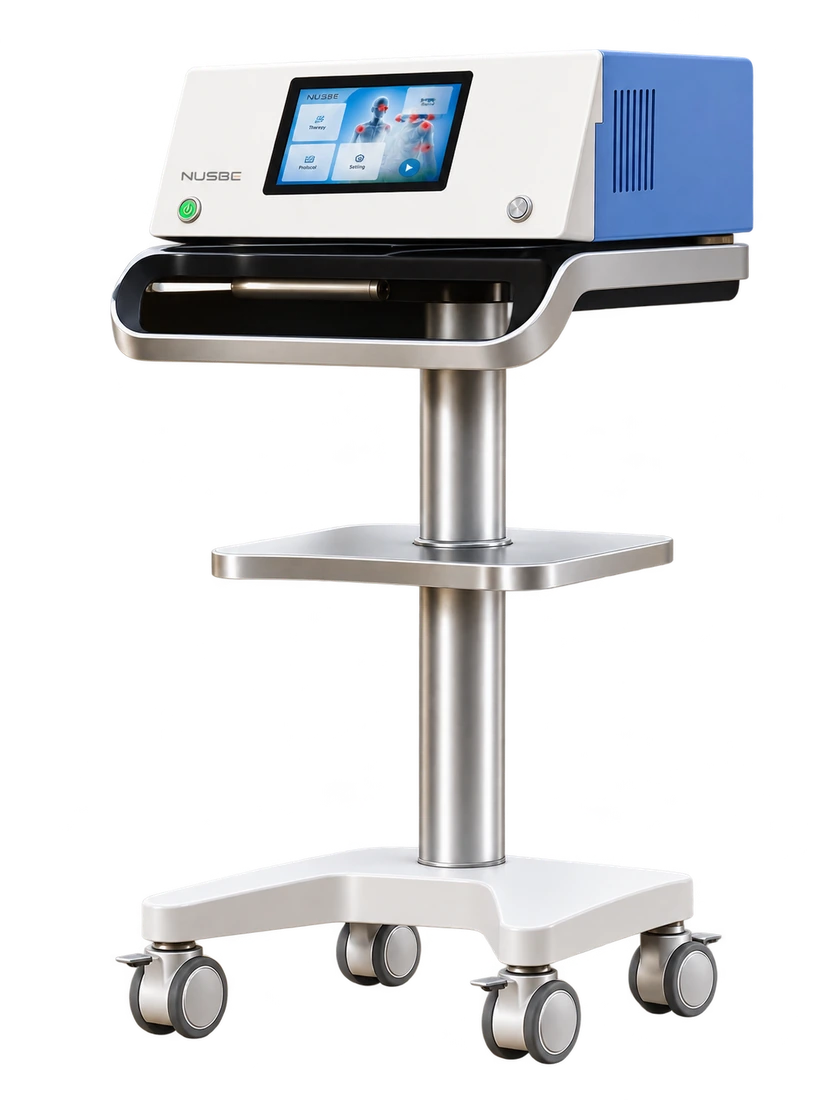
Thermal deliveryHands-on control
NUSBE M2 · M1
M1 was developed from the M2 thermal platform, evolving from operator-guided application to robotic delivery.
Your operator chooses settings, placement and movement, guiding the thermal applicator by hand.
Body-contour mapping, contact-force and temperature feedback support robotic delivery and operator checks.
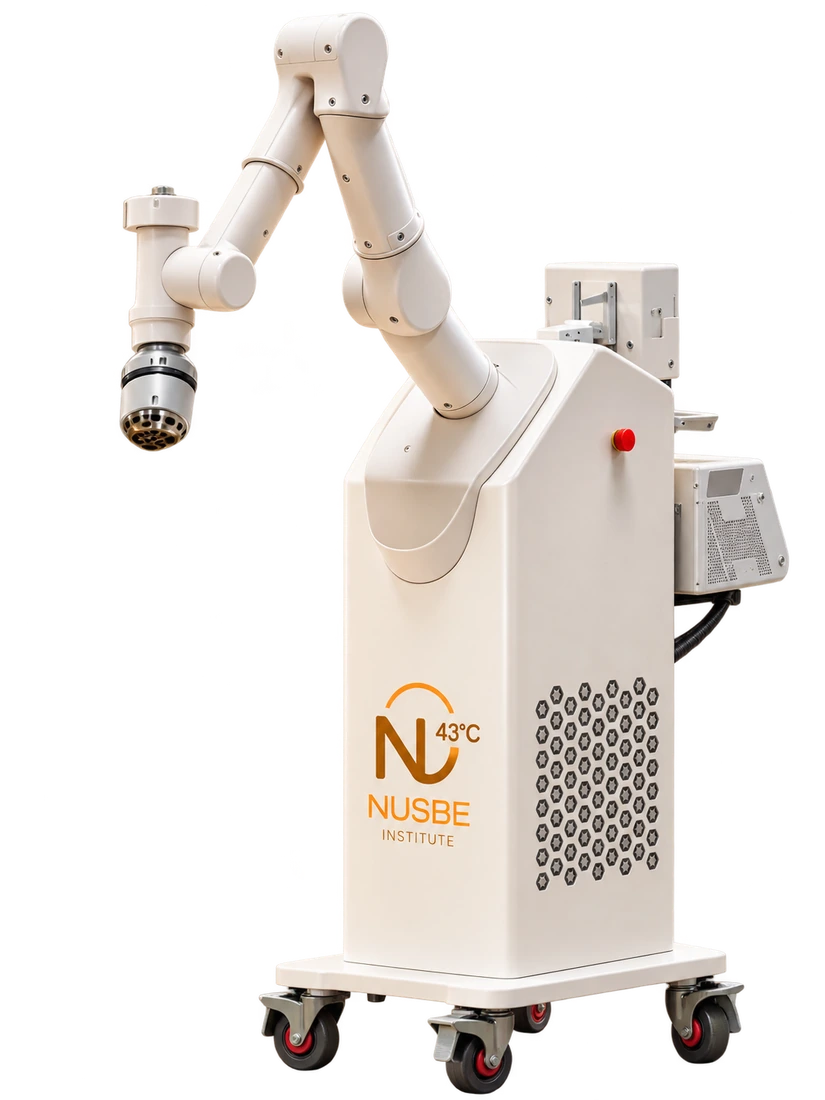
Trained operator throughout.
15 components. One connected system.
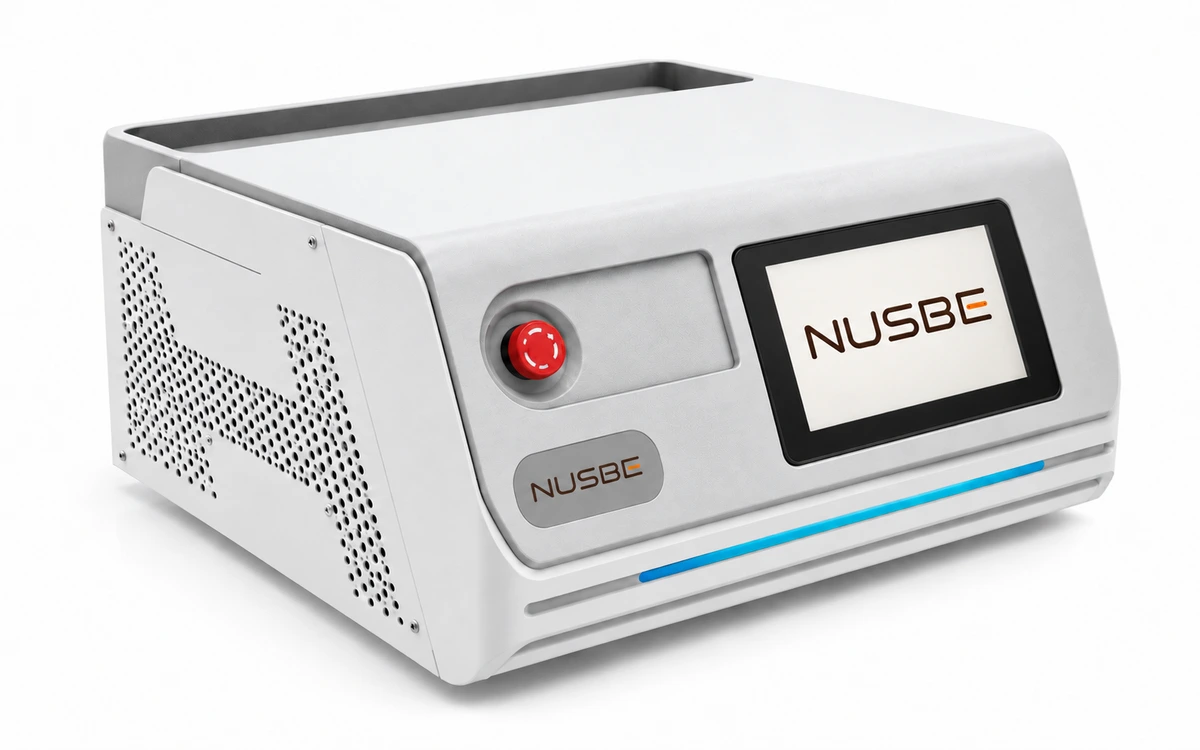
Thermal delivery
Generates the electromagnetic energy used by the thermal applicator.
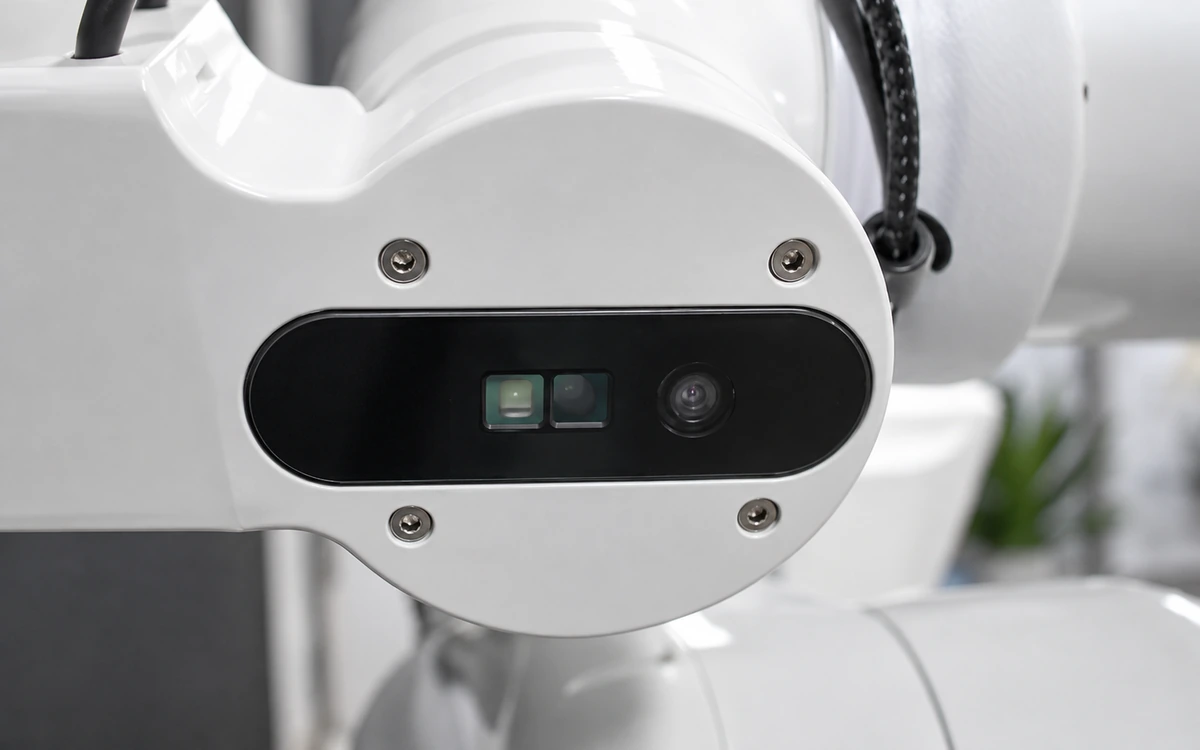
Body mapping
Captures a three-dimensional visual reference to help your operator set up the treatment area.
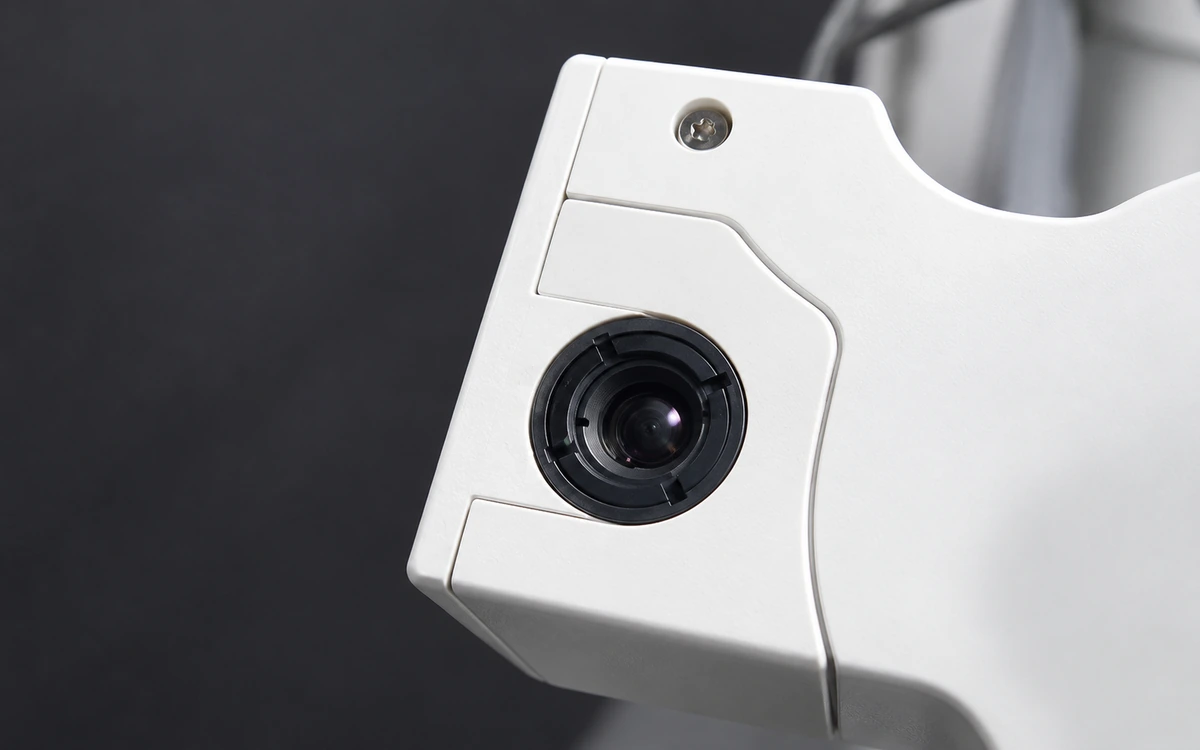
Body mapping
Monitors surface temperature to support your operator’s thermal checks.
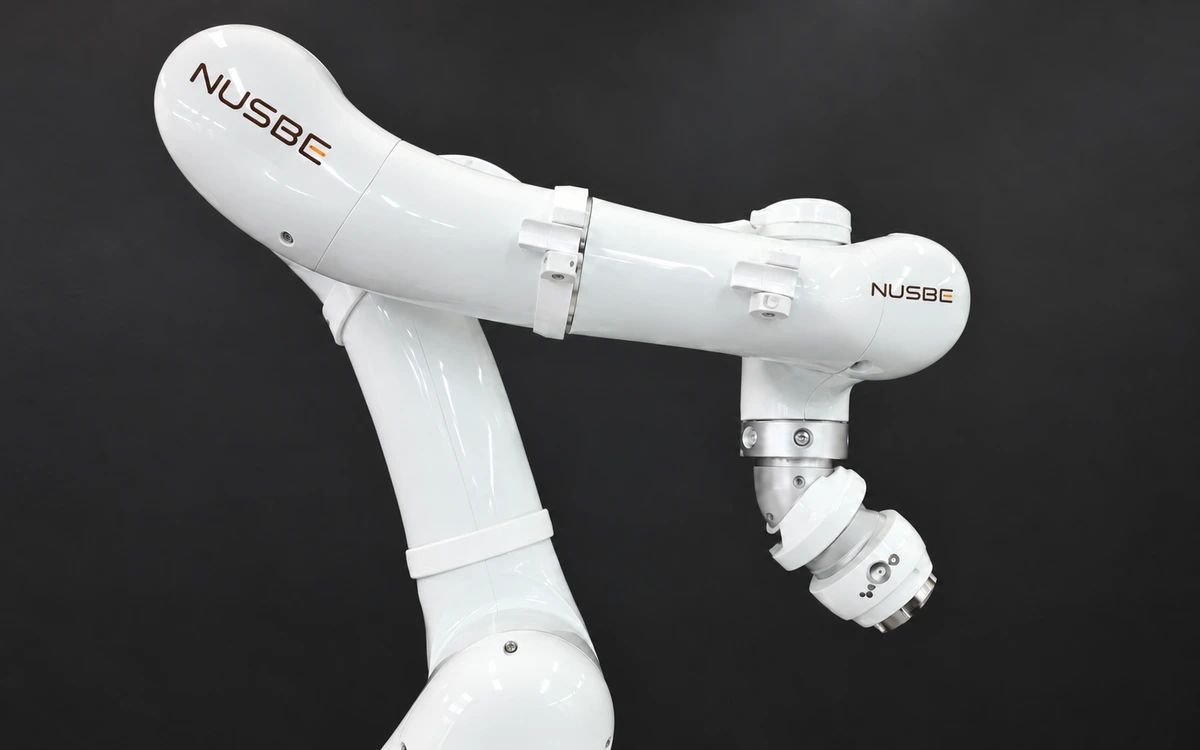
Guided movement
Six degrees of freedom position and move the applicator along the selected programme’s path.
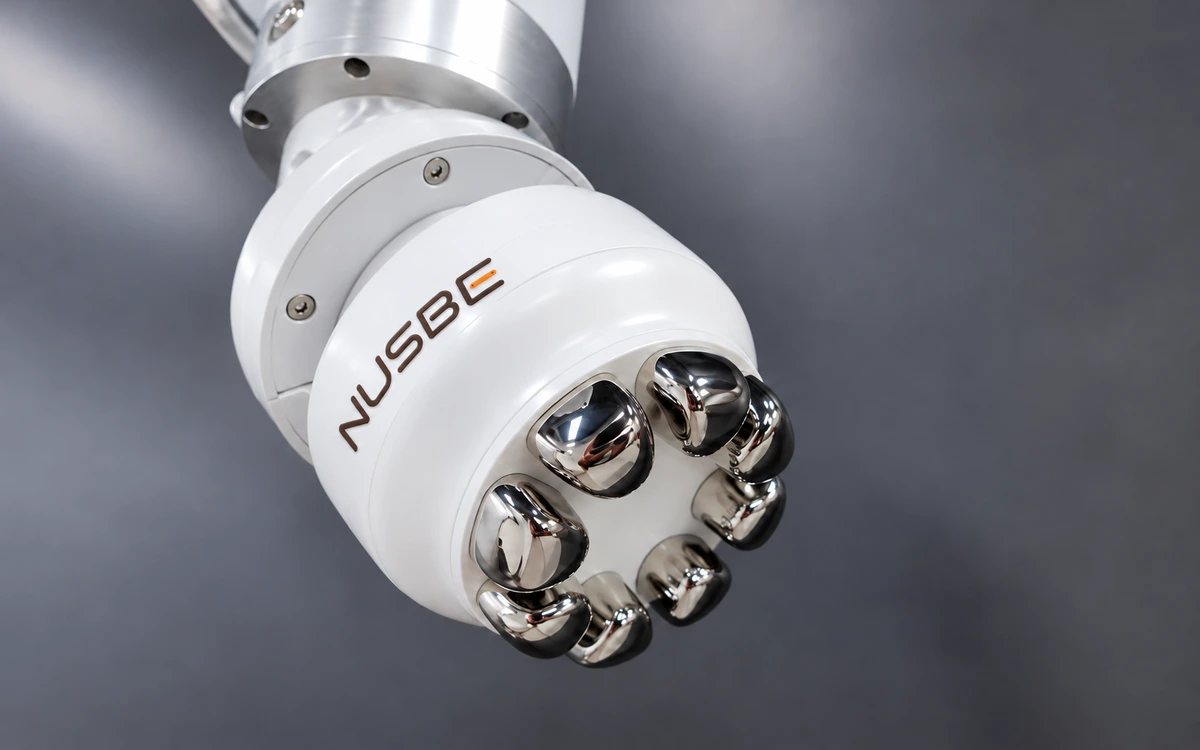
Thermal delivery
Brings thermal delivery and guided contact together in one dedicated applicator.
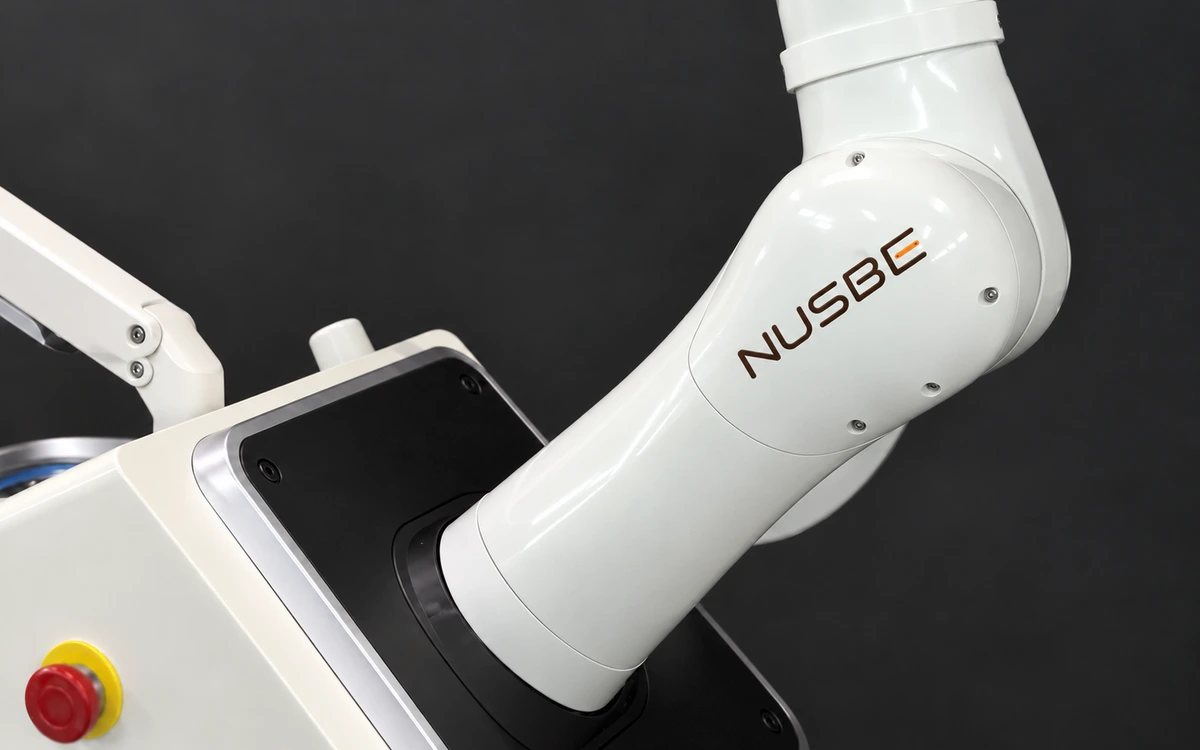
Guided movement
Drive the arm’s joints to follow the selected movement programme.
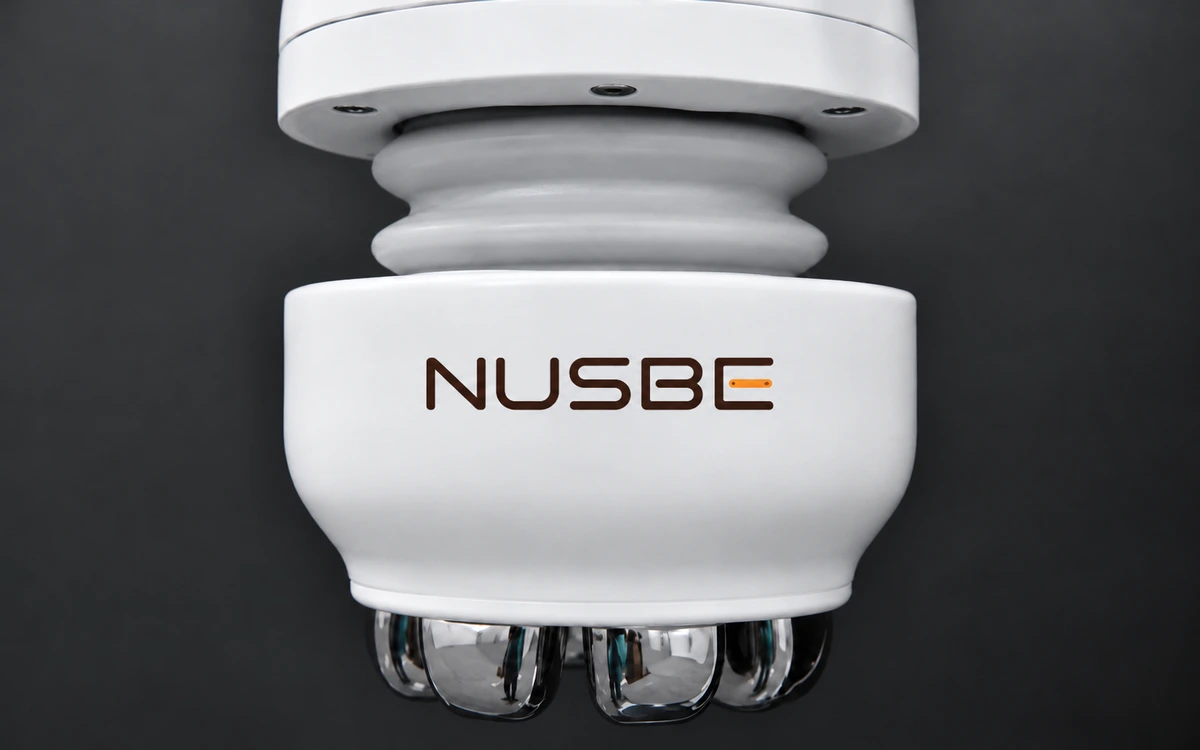
Guided movement
Provides a flexible connection within the applicator assembly as the arm moves.
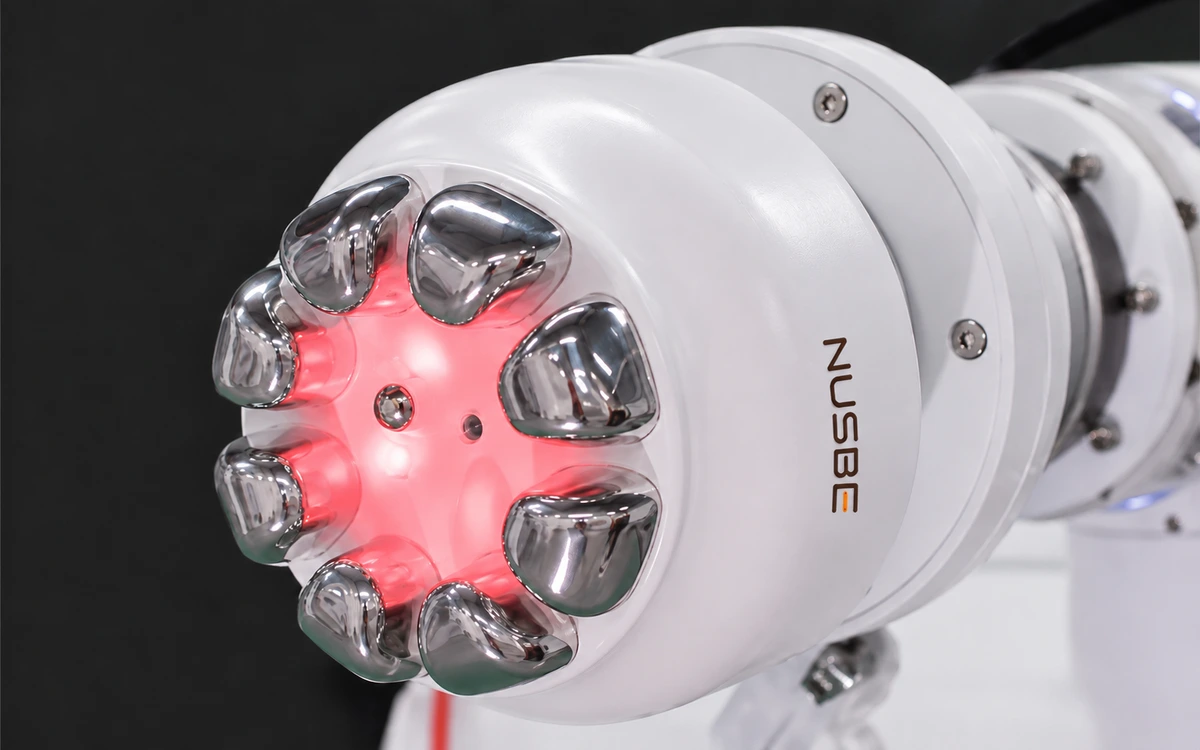
Thermal delivery
Integrates a light source into the thermal applicator assembly.
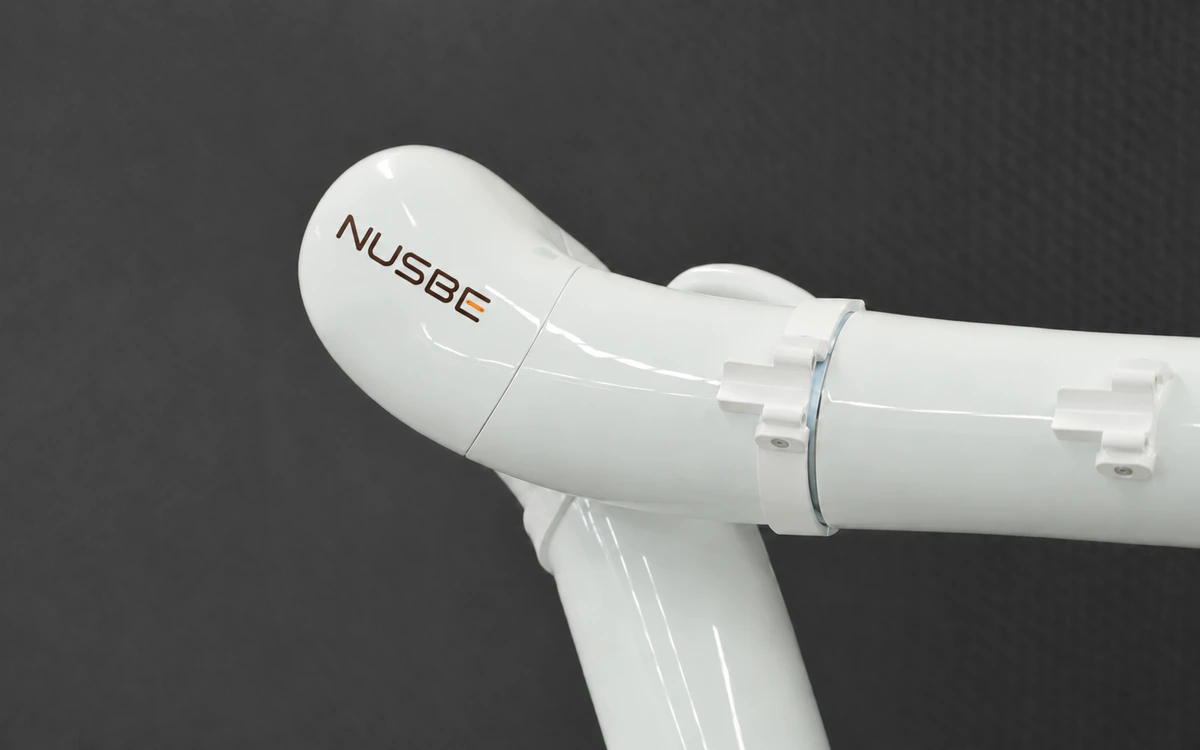
Guided movement
Transfers motor movement through the arm’s joints to position the applicator.
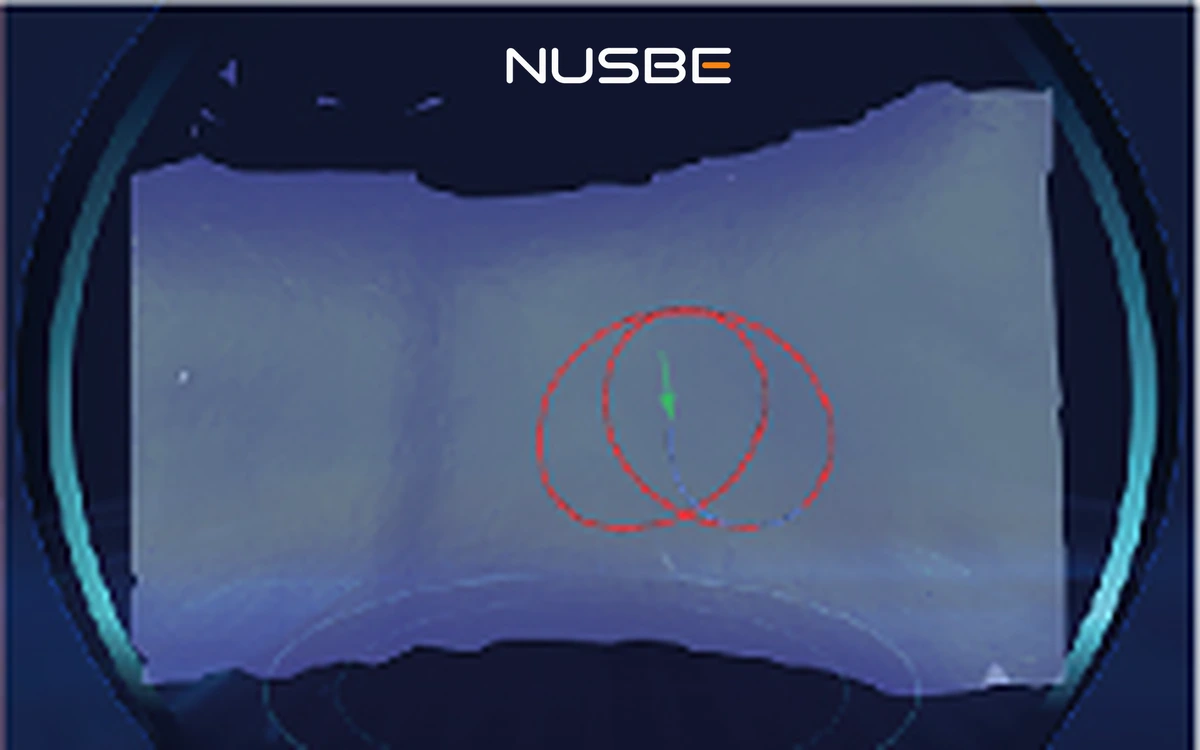
Body mapping
Shows the mapped body contour as a visual reference for your operator’s positioning checks.
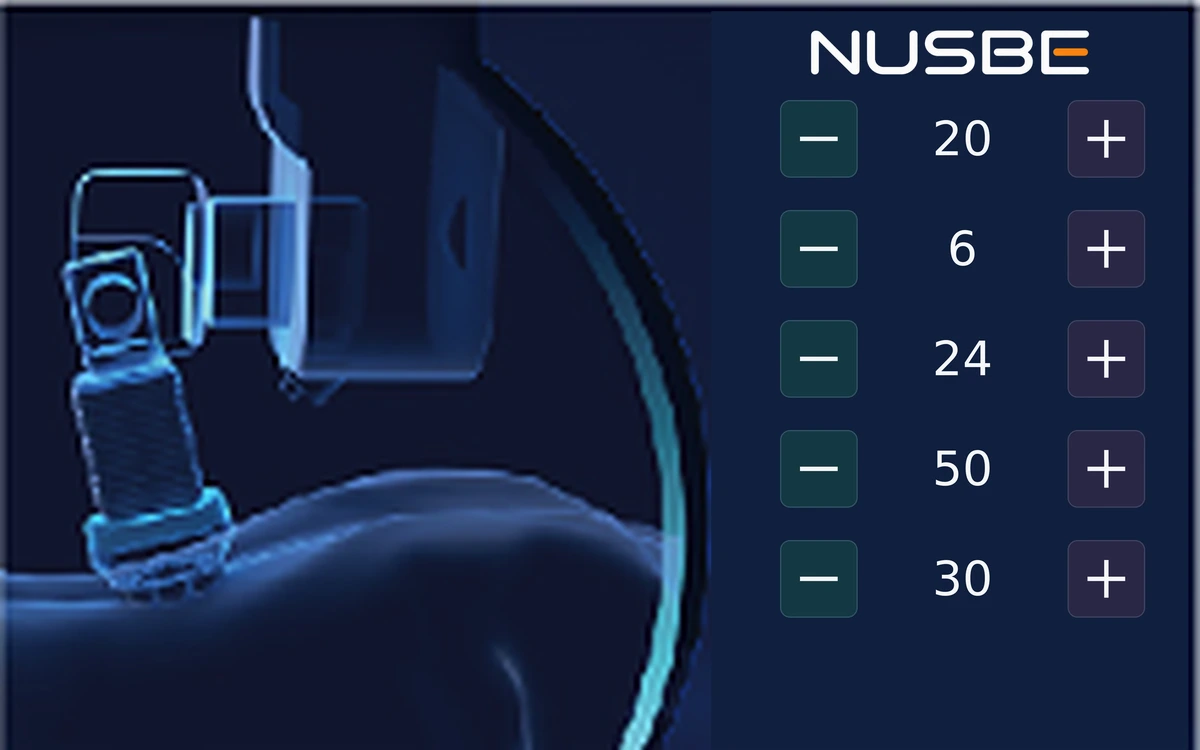
Live control
Collects force feedback from the arm’s joints during guided movement.
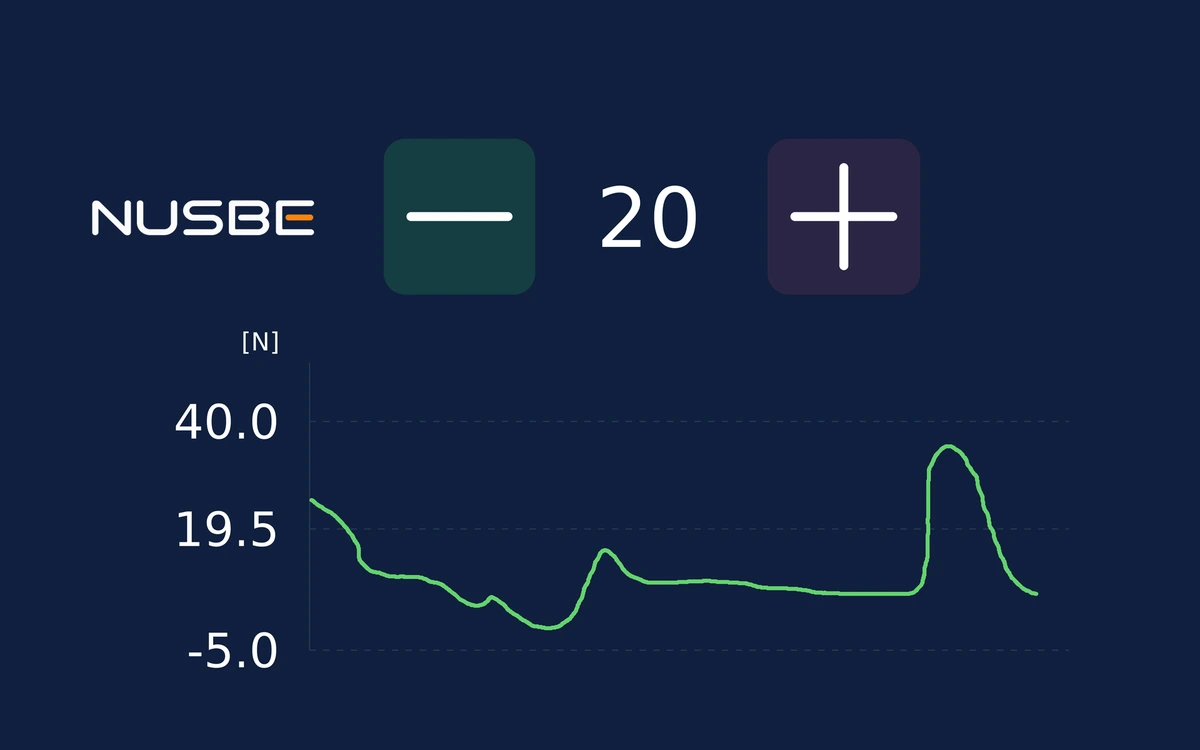
Live control
Shows changes in contact force so your operator can monitor the session.
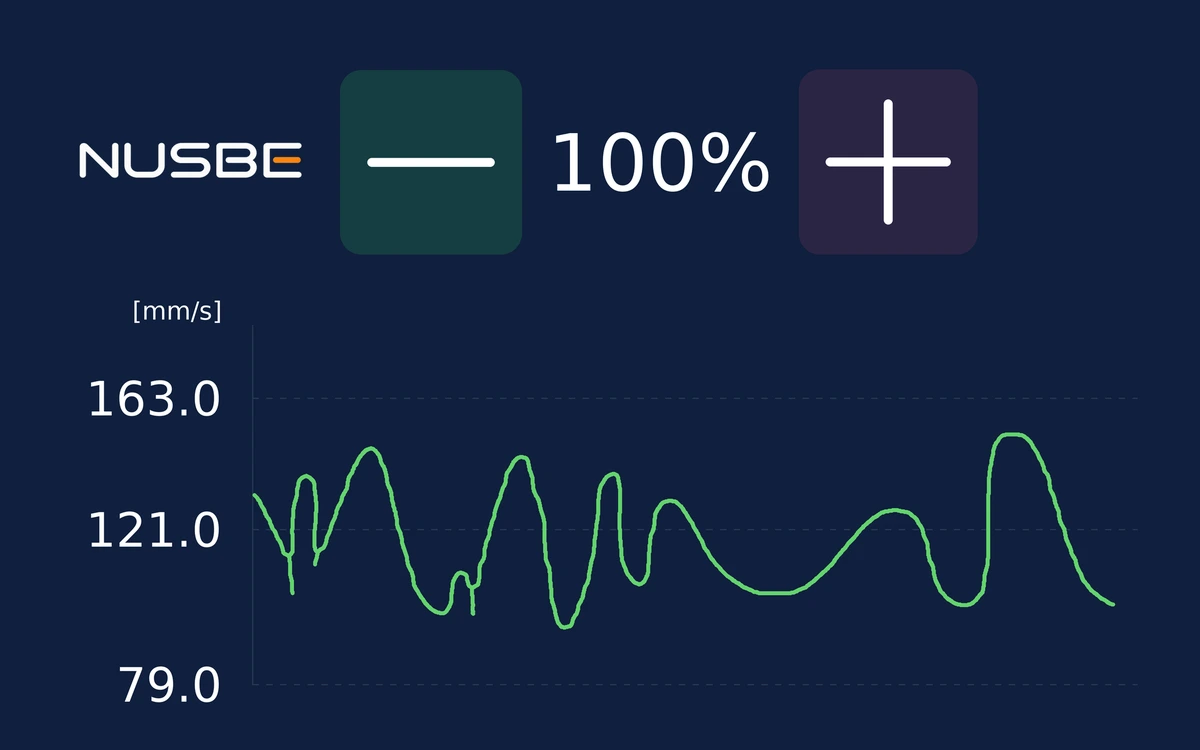
Live control
Displays movement speed and tracking information for your operator to review.
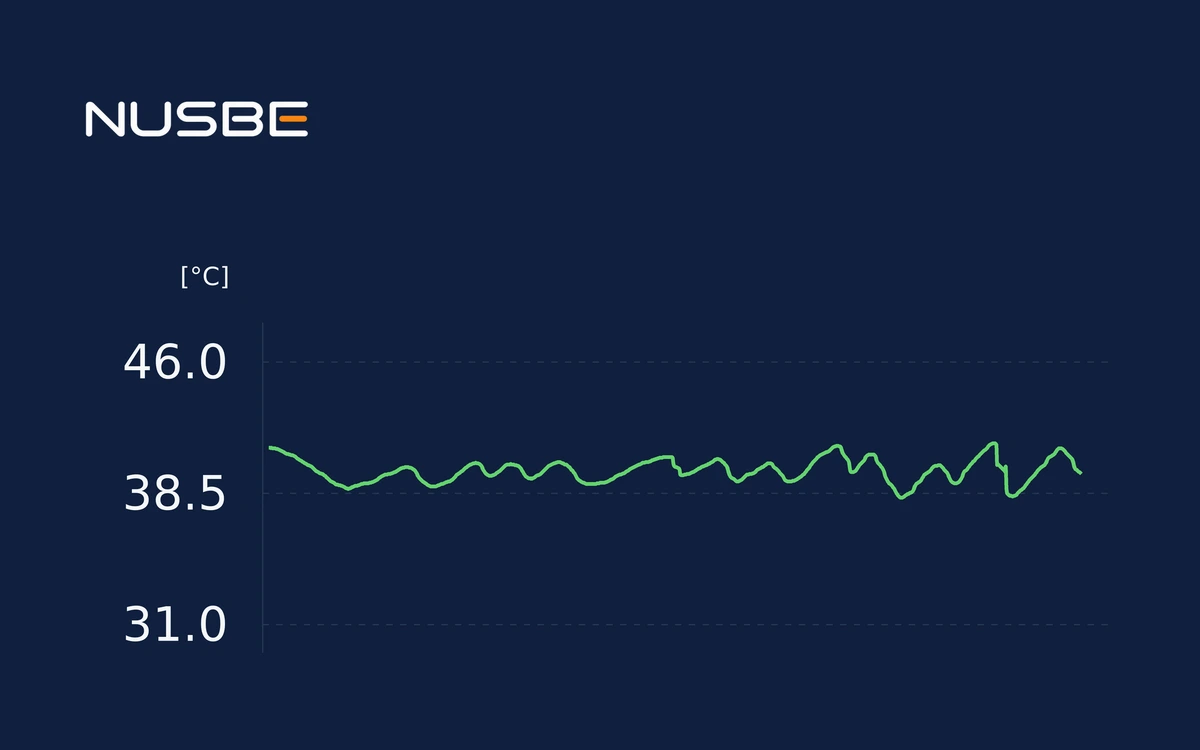
Live control
Displays temperature readings over time to help your operator follow the thermal session.
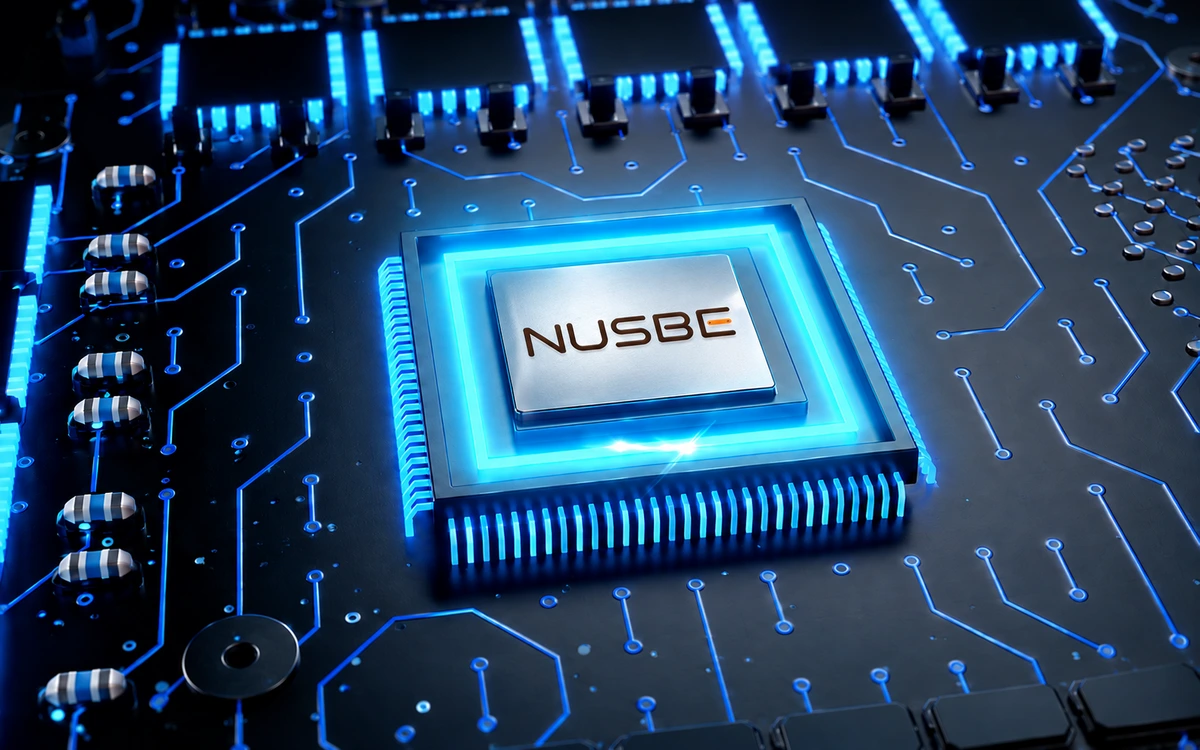
Live control
Coordinates the selected programme and sensor inputs, with your operator responsible for session decisions.
Body mapping, robotic movement and thermal feedback in one workflow, supervised by a trained operator.
The treatment head applies thermal energy at the selected area.
Infrared imaging monitors temperature distribution at the skin surface.
Illustrated operating principle: surface warming compared with energy directed toward a selected deeper area. Skin feedback guides output adjustment.
High-frequency electromagnetic fields induce circulating currents within tissue. Tissue resistance converts that energy into heat.
The controller compares measured temperature with the treatment setting and adjusts energy output in response.
Temperature monitoring and protective controls support a response when operating limits are reached.
A 3D operating concept showing body mapping, the selected movement path and session feedback.
Build a 3D surface model of the selected treatment area.
Position the head along a coordinated treatment route.
Use feedback and protective pauses as contact or movement changes.
Bring the body map, treatment path and session feedback into one view.
A surface model helps guide the selected treatment zone and planned route.
Flexible positioning, motion limits and contact feedback support controlled movement across body contours.
Tactile feedback helps adapt contact force, while an air-pressure rhythm supports a smooth contact-and-release sequence.
Temperature, contact and movement feedback, with a trained operator throughout.
Skin-temperature feedback informs adjustment of thermal output.
Force feedback helps guide contact adjustment as body contours change.
The supplied technical overview describes a protective pause when sudden movement is detected.
Abnormal-temperature protection is described as switching off energy delivery. Residual warmth can remain.
Suitability checks, trained supervision and client feedback remain essential throughout.
Based on the supplied NUSBE technical overview. This animation explains operating concepts; it does not show live readings, measured response times or safety certification. Confirm protective functions, operating limits and suitability with the team during your equipment demonstration.
See how the body map informs a path around the selected treatment area.
Watch the response to changes in skin temperature, contact and movement.
Review remote status monitoring, fault diagnosis, maintenance planning and service coverage.
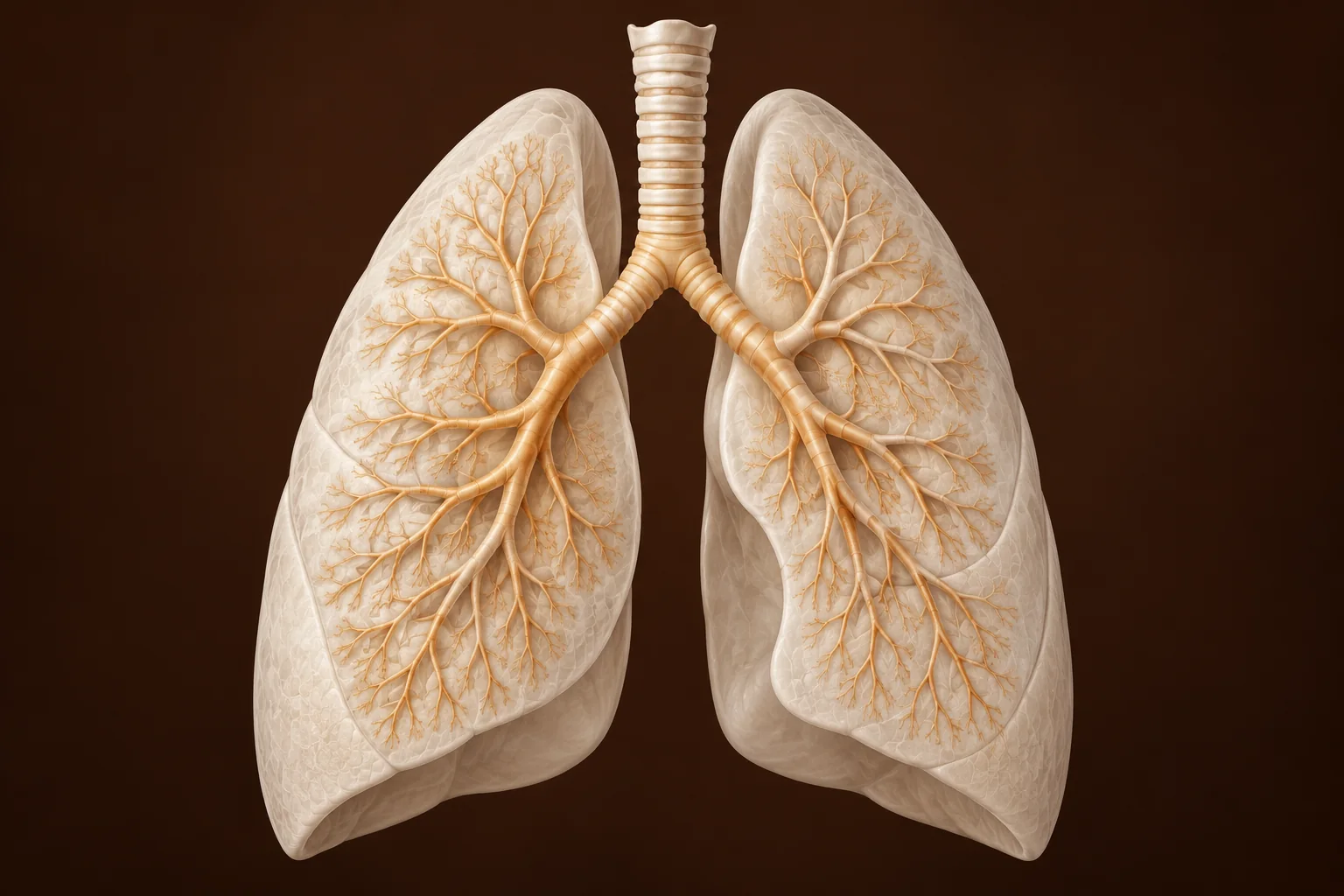 01 / 08Chronic bronchitisView study
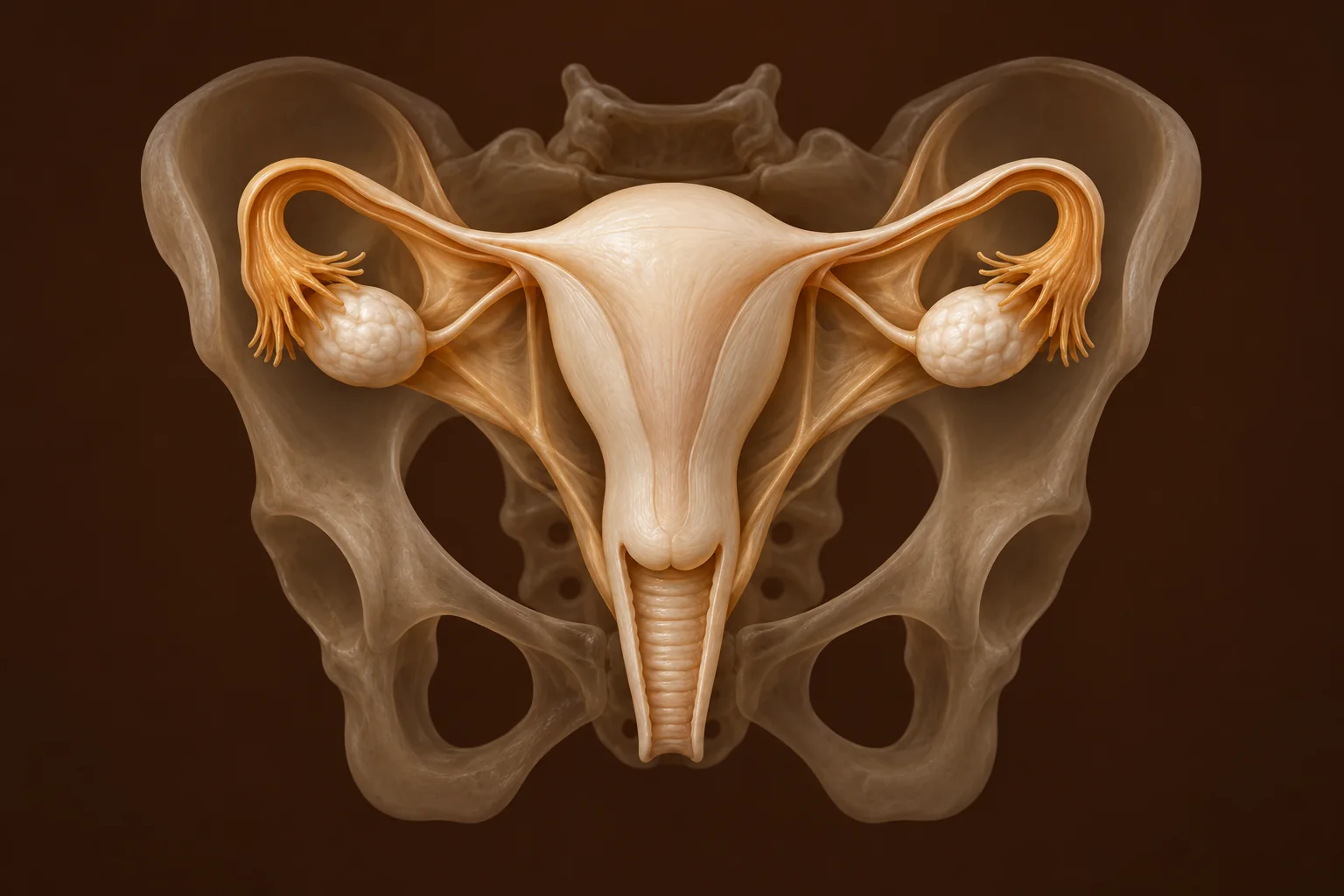 02 / 08Chronic pelvic inflammatory diseaseView study
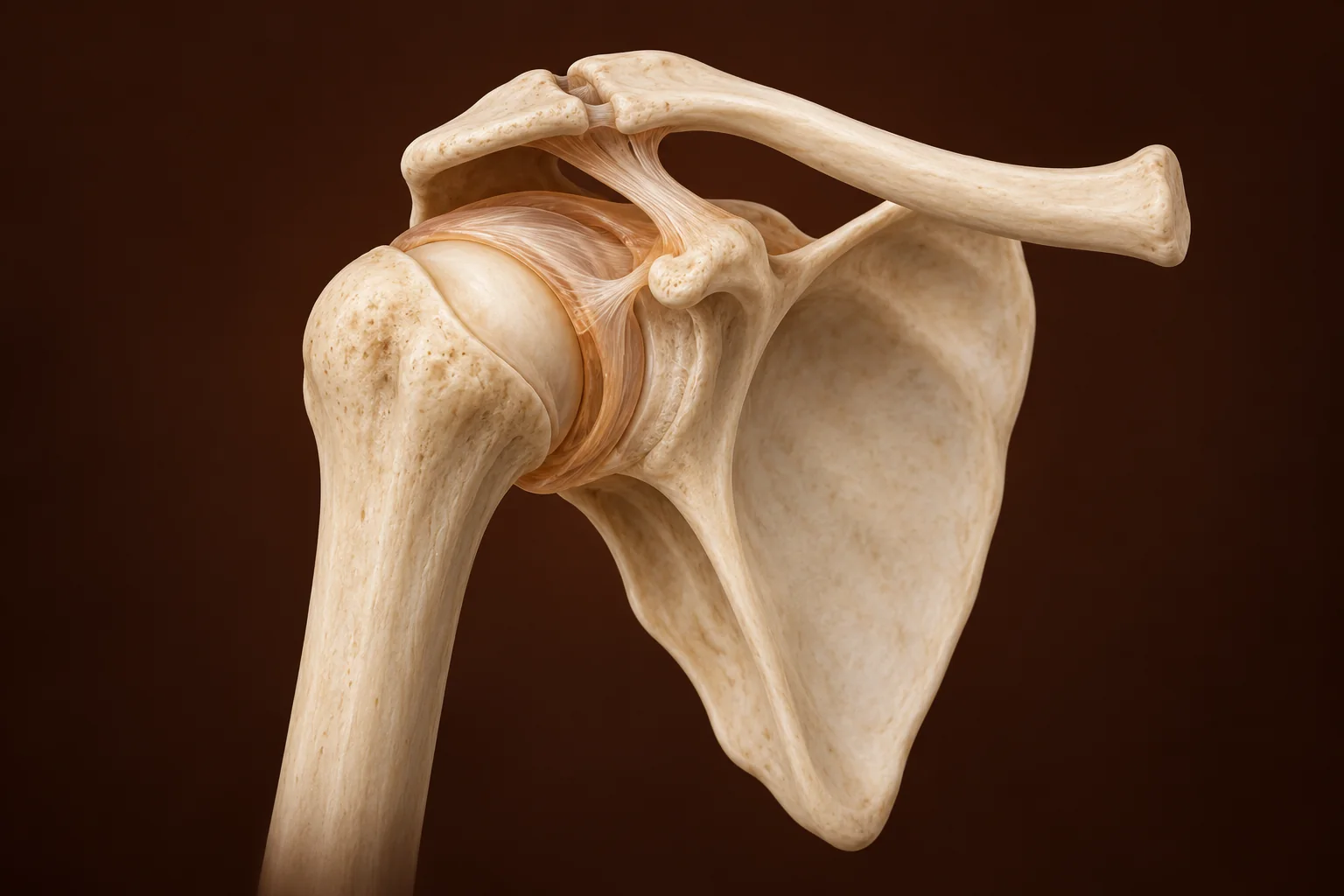 03 / 08Frozen shoulderView study
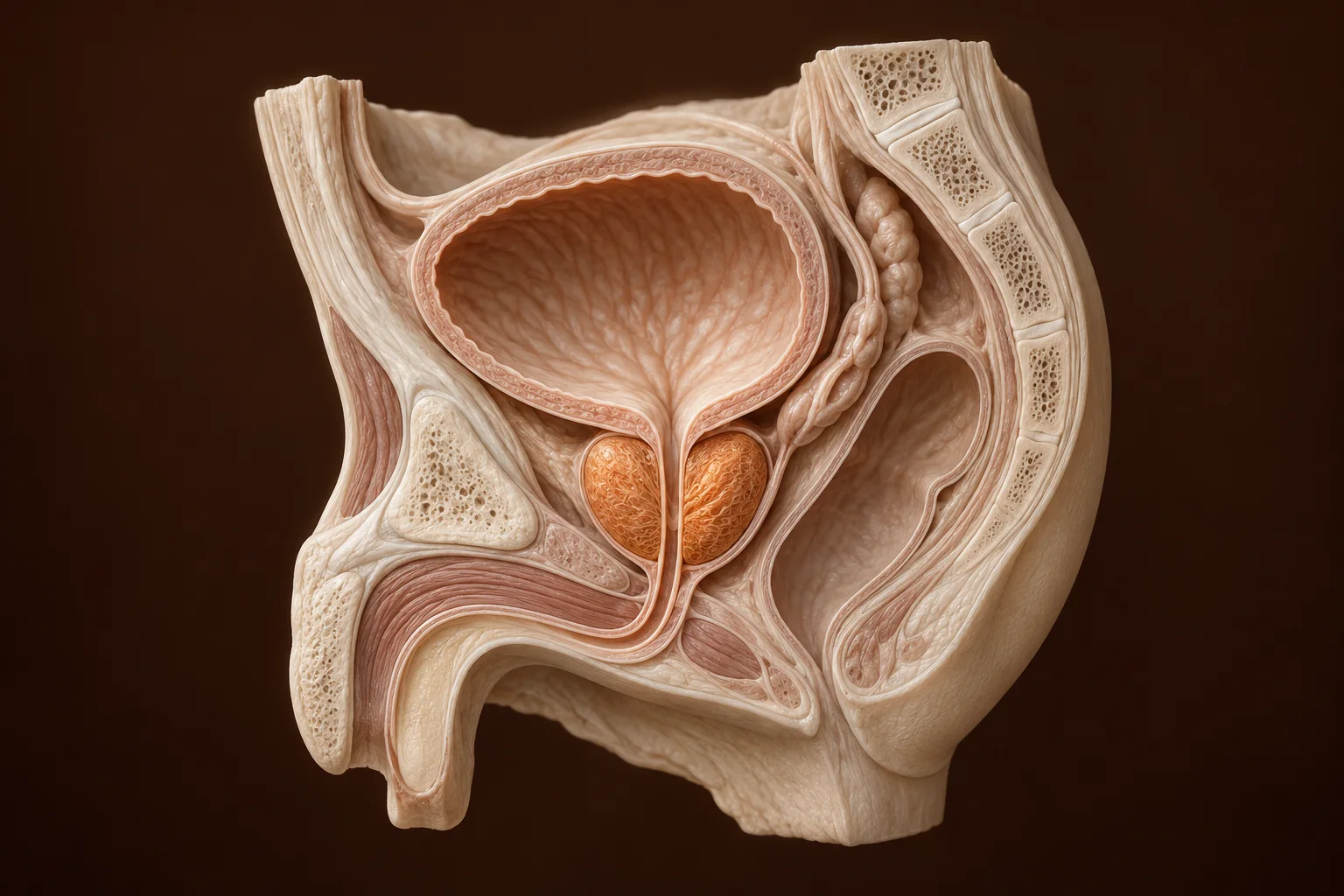 04 / 08Chronic prostatitisView study
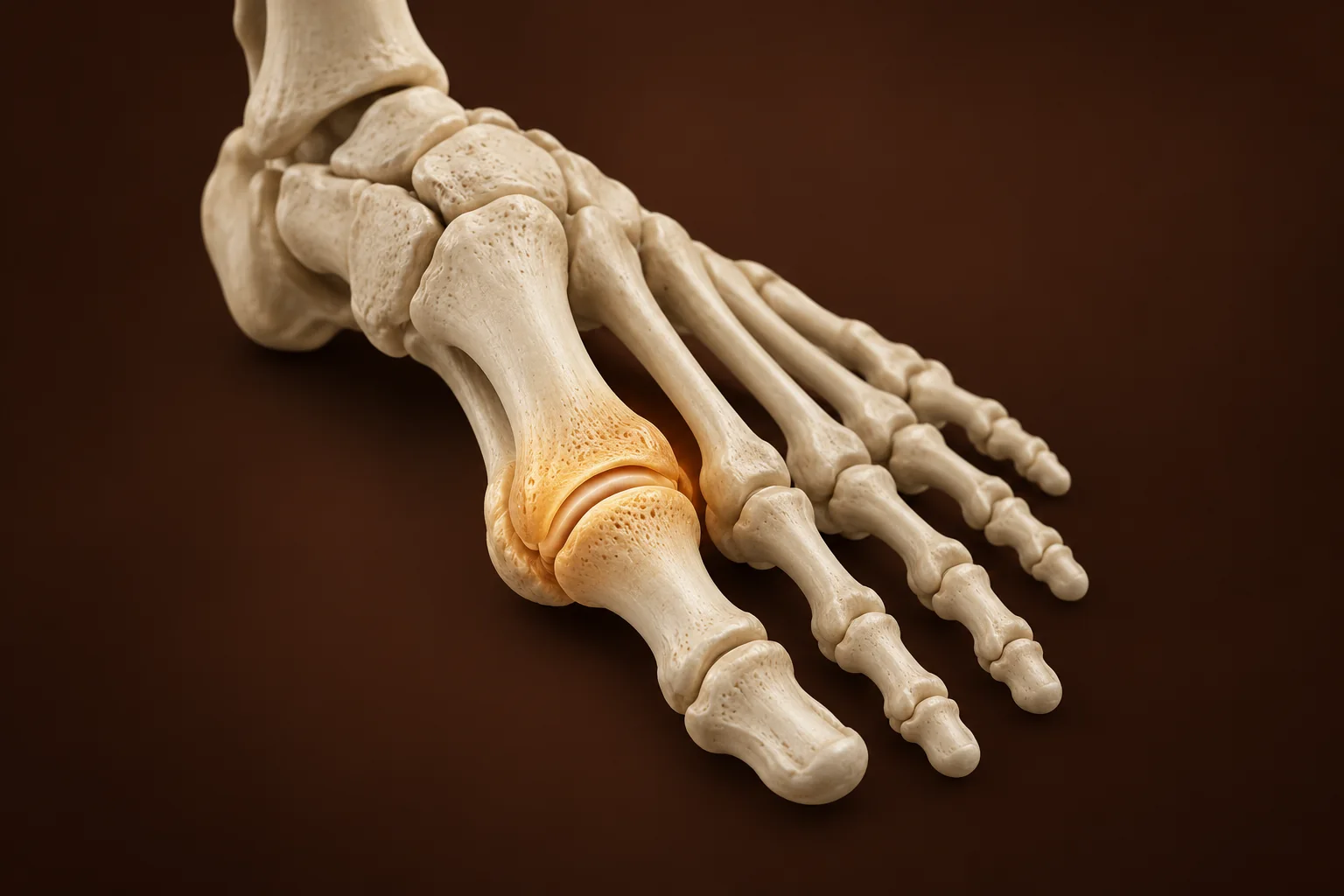 05 / 08Chronic gouty arthritisView study
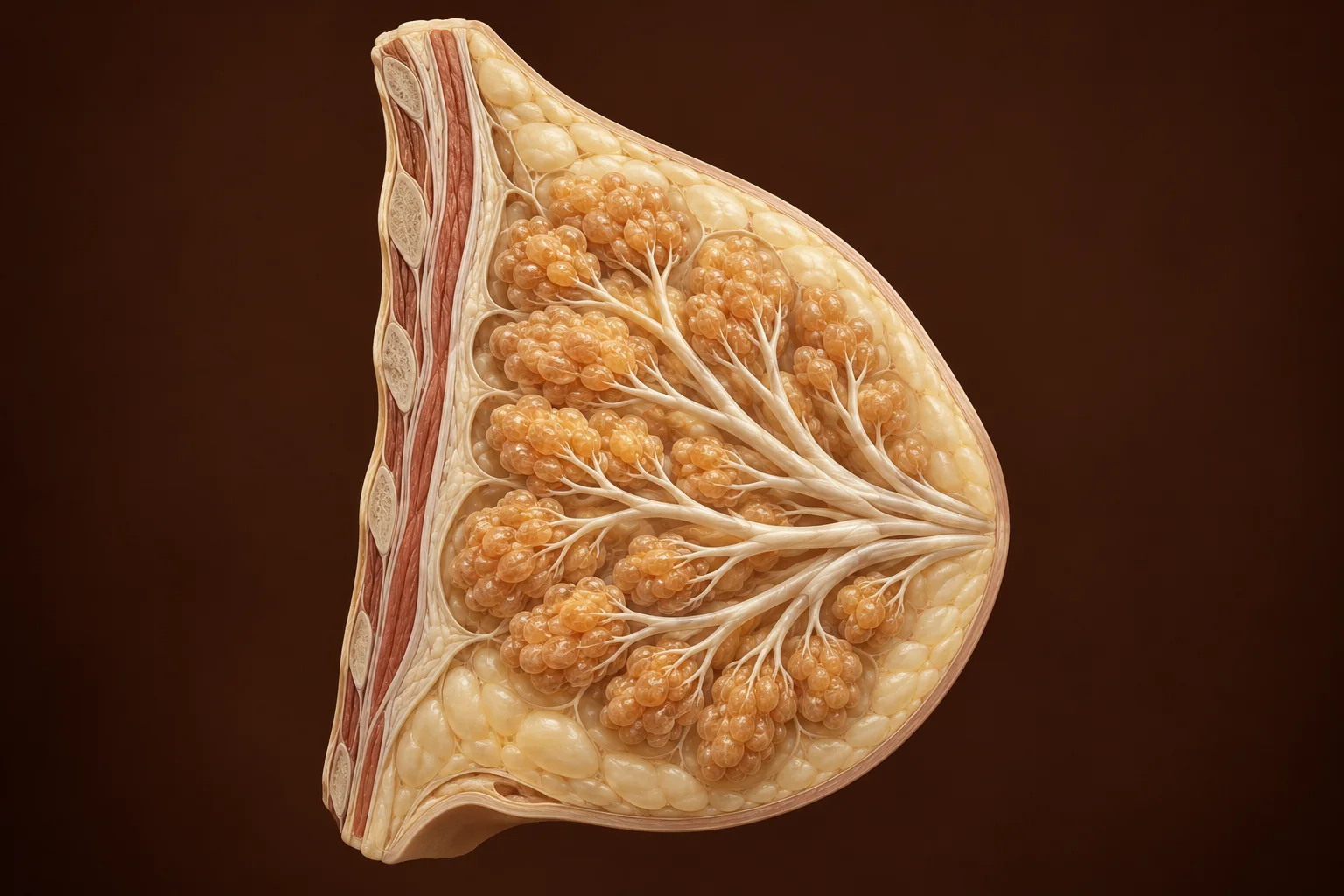 06 / 08Breast hyperplasiaView study
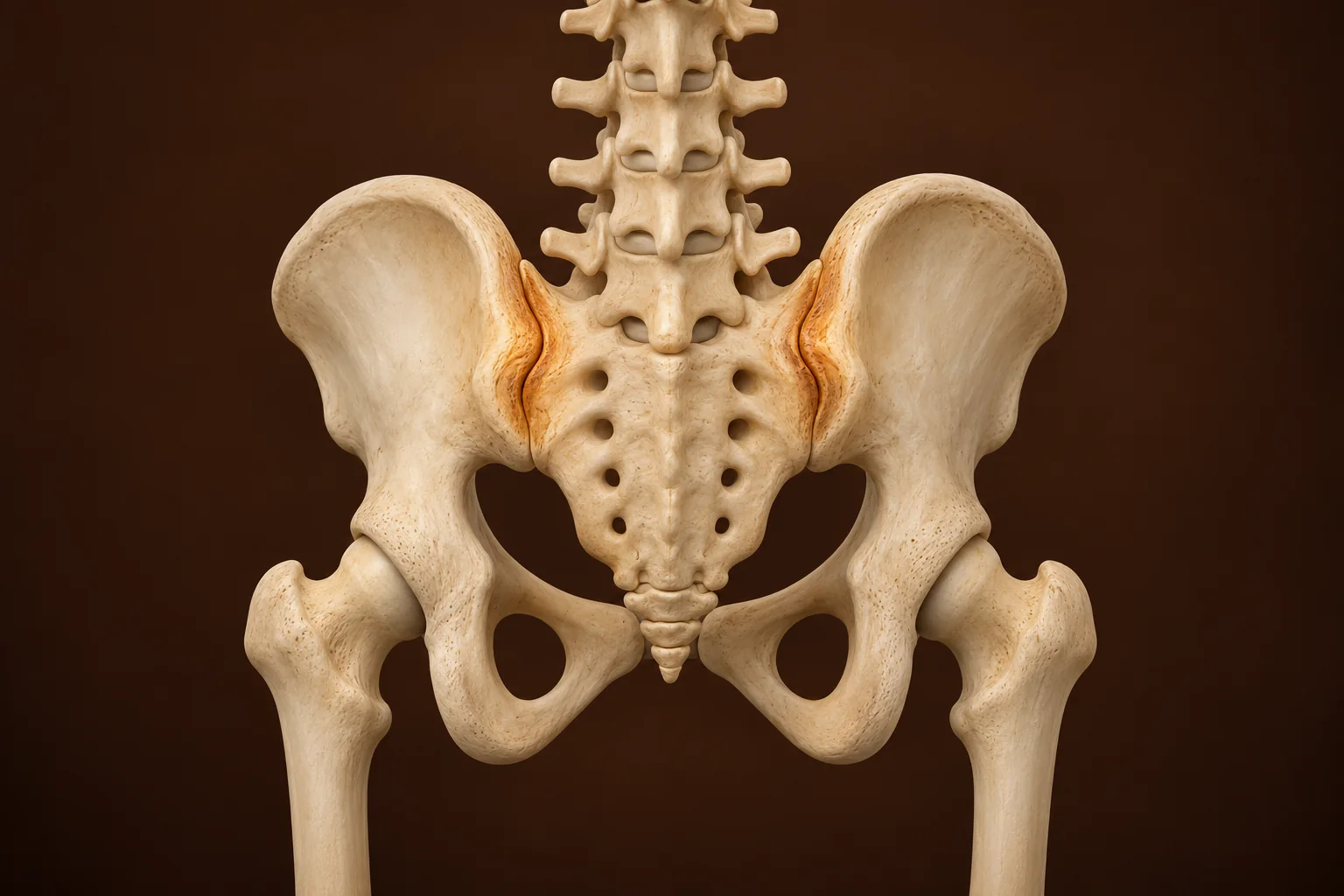 07 / 08Ankylosing spondylitisView study
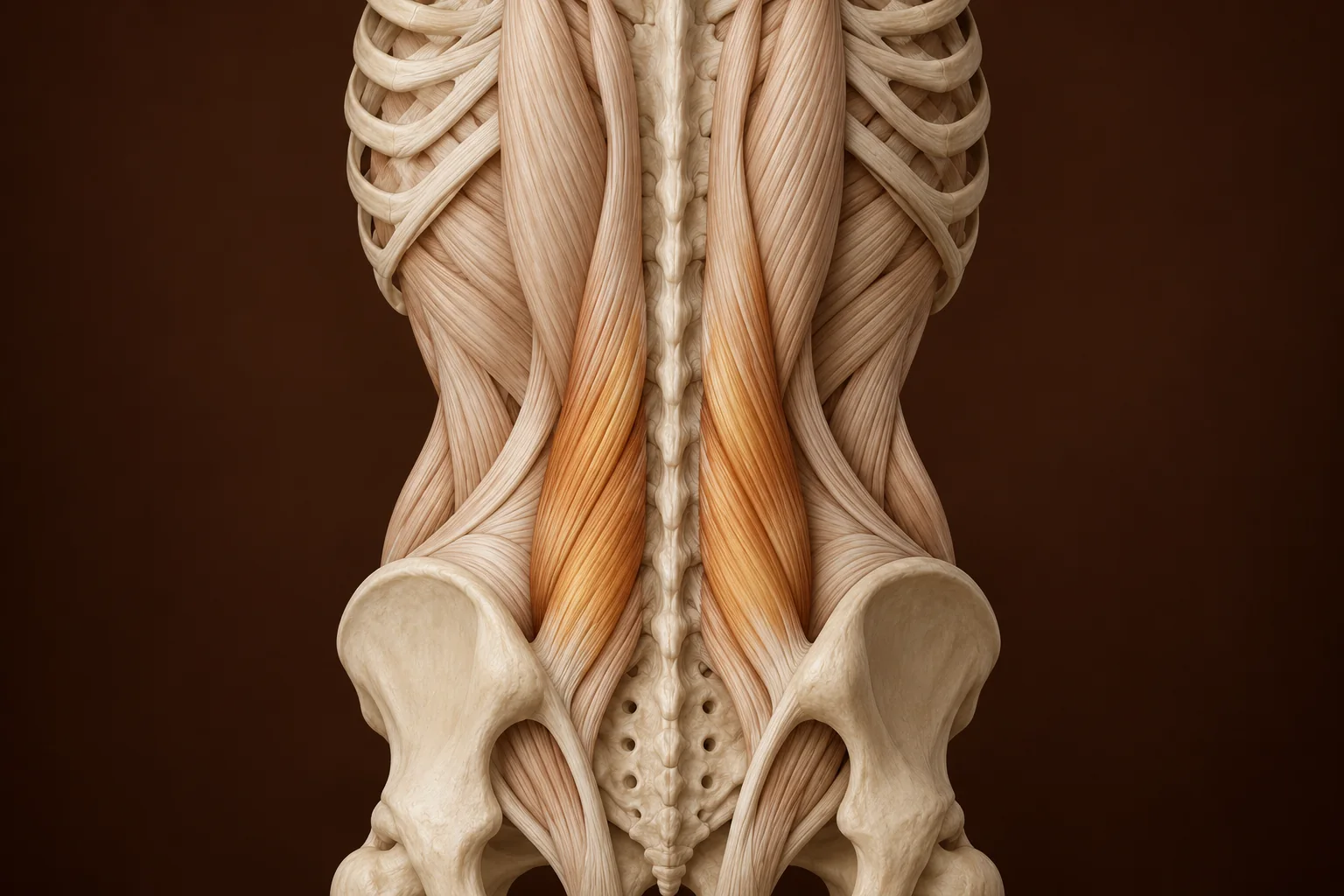 08 / 08Lumbar muscle strainView study
Treatment comparison
RF means radiofrequency: energy used to generate heat.
Traditional moxibustion applies warmth using burning moxa, an herbal material, at selected areas of the body. This is the comparison treatment used in this report.
Participant counts conflict. Page 6 reports 84.4% versus 51.1% response. The control outcome counts do not add up to the stated group size, so the comparison needs clarification.
“NUSBE group” is the website label for the RF treatment group reported in the source studies. NUSBE M1/M2 are the global-market names; the reports do not identify exact models or evaluate NUSBE-branded systems.
Reported treatment comparison: RF moxibustion versus traditional moxibustion.
Groups assigned by admission order; not described as randomised.
What was measured: Study-defined response: cough, sputum and wheeze resolved or improved.
General terminology: Radiofrequency heat · Moxibustion. These references explain treatment terms; they do not validate this report or NUSBE outcomes.
Source: English thermotherapy clinical-report collection, pages 4–7. Tian Hui, Zhang Guanghua, Pan Kai and Pan Xiaohai (corresponding author). Reported comparisons concern the study protocols; they are not forecasts for a NUSBE M1 or M2 session or comparisons with other massage robots.
Treatment comparison
RF means radiofrequency: energy used to generate heat.
The comparison group received an antibiotic regimen. Antibiotics are medicines that act against bacteria. This report compares that drug-based programme with its RF thermal protocol.
Total enrolment conflicts. The table reports response in 39 of 43 RF participants and 32 of 43 controls. It records 2 versus 8 recurrences at one year. The overall enrolment total conflicts elsewhere in the report.
“NUSBE group” is the website label for the RF treatment group reported in the source studies. NUSBE M1/M2 are the global-market names; the reports do not identify exact models or evaluate NUSBE-branded systems.
Reported treatment comparison: RF moxibustion versus an antibiotic regimen.
Coin-toss allocation described in the methods.
What was measured: Study-defined symptom and ultrasound response, plus one-year recurrence.
General terminology: Radiofrequency heat · Antibiotics. These references explain treatment terms; they do not validate this report or NUSBE outcomes.
Source: English thermotherapy clinical-report collection, pages 9–12. Tian Hui, Zhang Guanghua, Pan Kai and Pan Xiaohai (corresponding author). Reported comparisons concern the study protocols; they are not forecasts for a NUSBE M1 or M2 session or comparisons with other massage robots.
Treatment comparison
RF means radiofrequency: energy used to generate heat. Both groups also performed shoulder exercises.
The comparison programme included ibuprofen, rest and shoulder exercises. Ibuprofen is a non-steroidal anti-inflammatory medicine (NSAID). Shoulder exercises were part of both groups’ programmes.
Source-reported findings. Page 16 reports response in 57 of 63 RF participants and 48 of 63 controls, alongside higher post-treatment shoulder-function and performance scores in the RF group.
“NUSBE group” is the website label for the RF treatment group reported in the source studies. NUSBE M1/M2 are the global-market names; the reports do not identify exact models or evaluate NUSBE-branded systems.
Reported treatment comparison: RF treatment versus ibuprofen, rest and exercise; shoulder exercises in both groups.
Allocation by drawing lots.
What was measured: Shoulder-function score, performance score and study-defined symptom/function response.
General terminology: Radiofrequency heat · Ibuprofen. These references explain treatment terms; they do not validate this report or NUSBE outcomes.
Source: English thermotherapy clinical-report collection, pages 14–17. Tian Hui, Zhang Guanghua, Pan Kai and Pan Xiaohai (corresponding author). Reported comparisons concern the study protocols; they are not forecasts for a NUSBE M1 or M2 session or comparisons with other massage robots.
Treatment comparison
RF means radiofrequency: energy used to generate heat.
Traditional moxibustion applies warmth using burning moxa, an herbal material, at selected areas of the body. This is the comparison treatment used in this report.
Methods and results conflict. The results table prints 97.73% versus 81.82%, using 44 participants per group. The methods instead describe 24 per group; the response-rate comparison cannot be reconciled from this file.
“NUSBE group” is the website label for the RF treatment group reported in the source studies. NUSBE M1/M2 are the global-market names; the reports do not identify exact models or evaluate NUSBE-branded systems.
Reported treatment comparison: RF moxibustion versus traditional moxibustion.
Random-number-table allocation described in the methods.
What was measured: Study-defined response using symptom resolution or score reduction.
General terminology: Radiofrequency heat · Moxibustion. These references explain treatment terms; they do not validate this report or NUSBE outcomes.
Source: English thermotherapy clinical-report collection, pages 19–22. Tian Hui, Zhang Guanghua, Pan Kai and Pan Xiaohai (corresponding author). Reported comparisons concern the study protocols; they are not forecasts for a NUSBE M1 or M2 session or comparisons with other massage robots.
Treatment comparison
RF means radiofrequency: energy used to generate heat.
Traditional moxibustion applies warmth using burning moxa, an herbal material, at selected areas of the body. This is the comparison treatment used in this report.
Sample totals conflict. Page 26 reports response in 36 of 39 RF participants and 27 of 39 controls. Those groups total 78, while the methods state 72 participants.
“NUSBE group” is the website label for the RF treatment group reported in the source studies. NUSBE M1/M2 are the global-market names; the reports do not identify exact models or evaluate NUSBE-branded systems.
Reported treatment comparison: RF moxibustion versus traditional moxibustion.
Random allocation stated without a sequence method.
What was measured: Report-defined response based on pain attacks, symptoms and uric-acid criteria.
General terminology: Radiofrequency heat · Moxibustion. These references explain treatment terms; they do not validate this report or NUSBE outcomes.
Source: English thermotherapy clinical-report collection, pages 24–27. Tian Hui, Zhang Guanghua, Pan Kai and Pan Xiaohai (corresponding author). Reported comparisons concern the study protocols; they are not forecasts for a NUSBE M1 or M2 session or comparisons with other massage robots.
Treatment comparison
RF means radiofrequency: energy used to generate heat.
The comparison combined traditional moxibustion with point pressing. Moxibustion applies warmth from burning herbal material; point pressing uses manual pressure at selected body points.
Rates and counts differ. Page 32 prints response rates of 87.7% and 56.2%. Its category counts instead imply 36/41 and 23/41, which round to 87.8% and 56.1%; the source figures need reconciliation.
“NUSBE group” is the website label for the RF treatment group reported in the source studies. NUSBE M1/M2 are the global-market names; the reports do not identify exact models or evaluate NUSBE-branded systems.
Reported treatment comparison: RF moxibustion versus traditional moxibustion and point pressing.
Random 1:1 allocation stated without a sequence method.
What was measured: Study-defined categories combining symptom and lump/scan findings.
General terminology: Radiofrequency heat · Moxibustion · Point pressing. These references explain treatment terms; they do not validate this report or NUSBE outcomes.
Source: English thermotherapy clinical-report collection, pages 29–33. Tian Hui, Zhang Guanghua, Pan Kai and Pan Xiaohai (corresponding author). Reported comparisons concern the study protocols; they are not forecasts for a NUSBE M1 or M2 session or comparisons with other massage robots.
Treatment comparison
RF means radiofrequency: energy used to generate heat.
The report describes medicines in the abstract and Du-meridian moxibustion in the methods. Moxibustion is a traditional heat procedure. The full comparison and this source discrepancy are documented in Source notes.
Control treatment conflicts. Page 38 reports response in 43 of 47 RF participants and 35 of 47 controls. Mobility results are also reported, but the abstract and methods disagree about the control treatment.
“NUSBE group” is the website label for the RF treatment group reported in the source studies. NUSBE M1/M2 are the global-market names; the reports do not identify exact models or evaluate NUSBE-branded systems.
Reported treatment comparison: RF moxibustion versus a control described as drugs in the abstract and Du-meridian moxibustion in the methods.
Groups assigned by admission order; not described as randomised.
What was measured: Spinal-mobility measurements and study-defined symptom/function response.
General terminology: Radiofrequency heat · Moxibustion. These references explain treatment terms; they do not validate this report or NUSBE outcomes.
Source: English thermotherapy clinical-report collection, pages 35–38. Tian Hui, Zhang Guanghua, Pan Kai and Pan Xiaohai (corresponding author). Reported comparisons concern the study protocols; they are not forecasts for a NUSBE M1 or M2 session or comparisons with other massage robots.
Treatment comparison
RF means radiofrequency: energy used to generate heat.
This comparison combined hands-on manual therapy with ginger-partitioned moxibustion. Manual therapy involves practitioner-applied movement or massage; ginger-partitioned moxibustion places ginger between the moxa and the treatment area.
Methods need clarification. Page 42 reports lower post-treatment disability in the RF group and response in 48 of 51 RF participants versus 41 of 51 controls. Treatment details and the quality-of-life scale need clarification.
“NUSBE group” is the website label for the RF treatment group reported in the source studies. NUSBE M1/M2 are the global-market names; the reports do not identify exact models or evaluate NUSBE-branded systems.
Reported treatment comparison: An RF protocol versus manual therapy plus ginger-partitioned moxibustion; the RF group’s manual-therapy component needs clarification.
Block randomisation stated; sequence and concealment details are not supplied.
What was measured: Oswestry Disability Index (ODI), quality-of-life score and study-defined symptom/function response.
General terminology: Radiofrequency heat · Manual therapy · Ginger-partitioned moxibustion. These references explain treatment terms; they do not validate this report or NUSBE outcomes.
Source: English thermotherapy clinical-report collection, pages 40–43. Tian Hui, Zhang Guanghua, Pan Kai and Pan Xiaohai (corresponding author). Reported comparisons concern the study protocols; they are not forecasts for a NUSBE M1 or M2 session or comparisons with other massage robots.
RF treatment protocols, comparison groups and reported outcomes. Each study card includes its own methods and figure notes.
The thermal applicator, body-contour mapping, robotic arm and feedback displays. Manufacturer product material; not a clinical trial.
Thermal delivery and the manufacturer’s approach to movement, temperature and contact-force control. Used as engineering background. A 43°C equipment setting is not a measurement of deep-tissue temperature.
A one-animal experiment on the HW/PSP infrared body-contouring device. It does not evaluate NUSBE M1/M2, human outcomes or routine-session safety.
Dr Pan Xiaohai provides thermotherapy research and technical guidance for NUSBE M1 and M2. The English report collection contains eight comparative clinical reports covering studies conducted between 2016 and 2020. Authors: Tian Hui, Zhang Guanghua, Pan Kai and Pan Xiaohai (corresponding author).
The reports describe favourable results for their RF protocols. Several tables contain inconsistent counts, rates or methods, flagged with each report and explained in its source notes. These are source-reported findings, not independently verified NUSBE success rates.
The reports describe RF treatment protocols. Exact equipment model codes, a robotic delivery protocol, journal publication details and trial registrations are not supplied in the collection. Peer-review status has not been verified. Study-specific limitations are shown with each report.
The research provides background for the thermal approach. It does not establish guaranteed outcomes, suitability for every person, or superiority over another commercial robot.
Original sources: English thermotherapy clinical-report collection, equipment platform brochure and manufacturer thermal-technology presentation. Engineering-film excerpts are supplied by the manufacturer and edited for NUSBE, with English descriptive captions and no original audio. Equipment configurations in the films may differ from the supplied M1/M2; the films do not present clinical results.
Anatomical illustrations identify the research topics; they are not patient scans or treatment-outcome images.
General background on RF heating explains the physical principle; it is not a NUSBE approval or endorsement.
Your next service starts here
Find the right NUSBE setup for your venue, understand your entry options and see how we support your launch.
Plan my NUSBE business