
Brick sessions and why your legs feel strange
Running immediately off the bike asks the legs to switch pattern while already fatigued, which is why the first kilometres feel strange and why bricks produce more soreness than the same volume done separately. Building brick frequency gradually, refuelling promptly and warmth on stiff quads and calves are the practical levers.
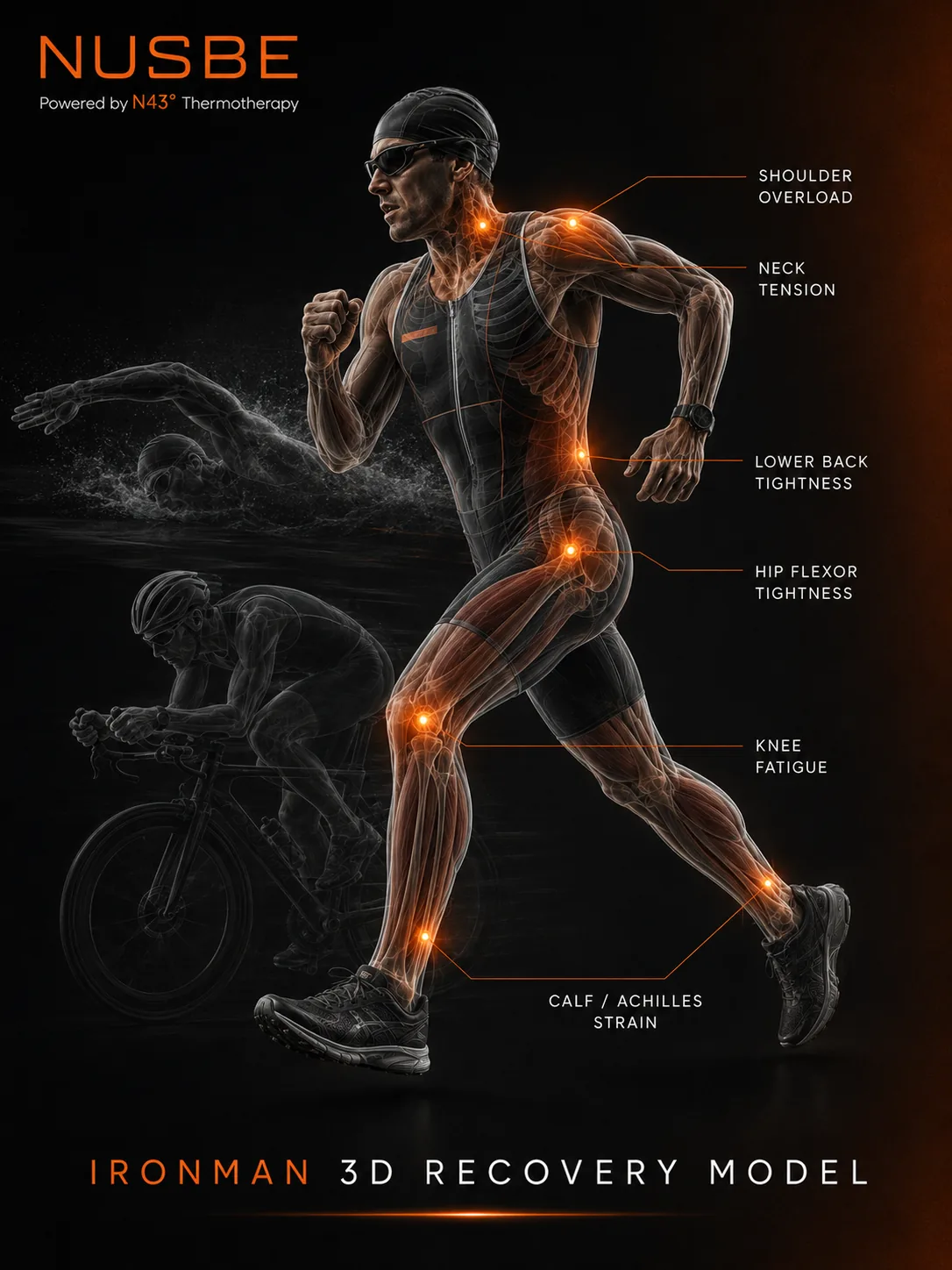
What the first kilometre is actually doing
The strange feeling running off the bike is not imaginary and it is not a fitness problem. Cycling and running ask the same muscles to work in different patterns and at different lengths, and the switch takes time to settle — typically the first kilometre or two.
That is exactly why triathletes train bricks. The point is to make that transition familiar rather than to discover it on race day.
Why bricks cost more
The same bike volume and run volume, done on separate days, produces less soreness than the two stacked together. The run starts on legs that have already been working, so:
- Quads arrive at the run already fatigued from the bike. - Calves and Achilles take the impact with less capacity to absorb it. - Lower back has been holding a bike position for hours before the run asks it to stabilise upright.
None of that is a reason to avoid bricks. It is a reason to build them gradually and to treat a brick as a hard session in the week's plan, not as two easy ones.
Recovering from one
| When | What to do |
|---|---|
| First 15 minutes | Keep moving gently; start rehydrating |
| First hour | Refuel; warmth on quads and calves if no swelling |
| That evening | Protect sleep; elevate legs if they feel heavy |
| Next day | Easy session or genuine rest, not another hard one |
In Malaysian conditions, fluid loss on a long brick is substantial. Riders and runners who finish well down on fluid consistently report a worse next day.
Where NUSBE fits
A guided NUSBE session applies controlled, comfortable warmth to the quads, calves and lower back at a consistent temperature and coverage. Triathletes commonly book it the evening after a long brick.
This is recovery and comfort support. It is not treatment, and it does not replace care from a qualified healthcare professional.
Frequently asked questions
Why do my legs feel odd running off the bike?
Cycling and running use the leg muscles differently, and switching straight from one to the other while fatigued takes several minutes to settle. Most triathletes find the sensation eases within the first kilometre or two.
Do brick sessions cause more soreness?
Usually yes, compared with the same bike and run volume done on separate days, because the run starts on already-fatigued legs. That is also why they are useful, and why they should be built up gradually.
How often should I do bricks?
There is no universal answer, but adding them gradually rather than making every week a brick week is the pattern that keeps soreness manageable. A coach can shape this around your race distance.
What helps most straight after a brick?
Refuelling and rehydrating promptly, easy movement rather than sitting down immediately, and warmth on the quads and calves once there is no swelling.
Evidence referenced in this guide
- Wang Y et al., Physical Therapy in Sport 2021 — meta-analysis of 32 randomised trials on heat and cold for post-exercise muscle soreness.
- Network meta-analysis of cold and heat therapies for DOMS, 2022 — hot packs ranked highest for early soreness relief.
See the research behind our recovery claims on the science page.