

Recovery between back-to-back ride days

Back-to-back rides need a plan for the second day that can change. Consider the first ride’s duration, climbing and effort alongside fatigue, sleep and any persistent discomfort.

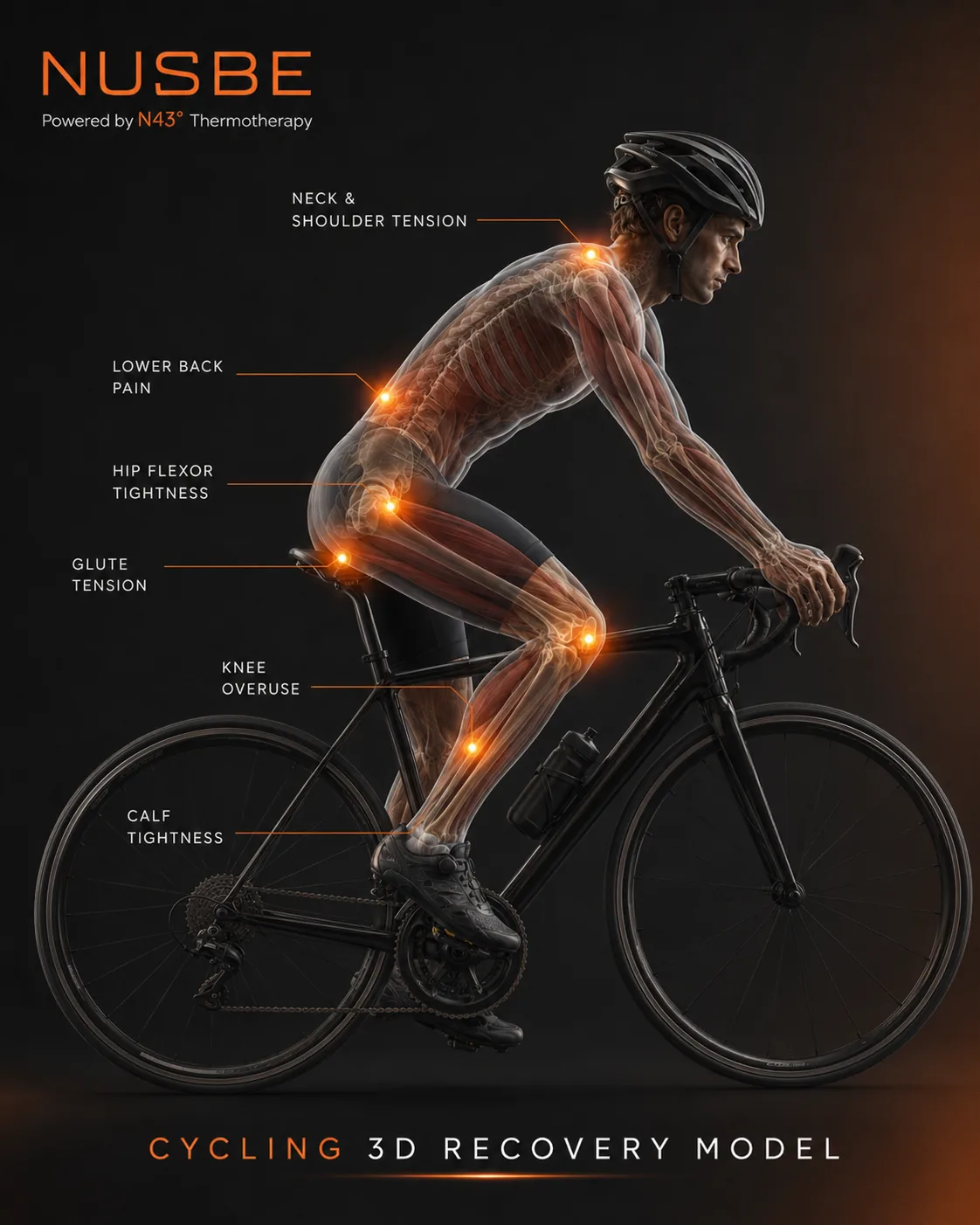
Cycling recovery model showing neck, shoulder, lower back, glute, quad and knee load areas
Cycling recovery model — neck, shoulders, lower back, quads and knees.

What to notice

Two rides of the same distance may feel very different. A headwind, hills or a hard group pace can turn the first day into the demanding session of the weekend.

Practical next steps

  • Agree an easier route or an option to sit out before the second ride.
  • Make room for meals, fluids and sleep between rides.
  • Do not use the group’s planned pace as a reason to ride through pain.

When to get help

Arrange assessment for persistent or worsening pain, swelling or difficulty using the area normally. After an injury, seek urgent help for severe pain, deformity, numbness or inability to bear weight.

Frequently asked questions

Must the second ride always be a recovery ride?

There is no single rule for every rider. Match the weekend to your preparation and current response; a coach can help manage a demanding block.

Evidence referenced in this guide

Related guides

Explore the evidence

Request a NUSBE session